Sand
During World War II, a transport ship is struck by a mine just north of Morocco. Two black Canadian soldiers are the only survivors and must travel through shark infested waters as they attempt to reach land.
Browse popular War movies
During World War II, a transport ship is struck by a mine just north of Morocco. Two black Canadian soldiers are the only survivors and must travel through shark infested waters as they attempt to reach land.
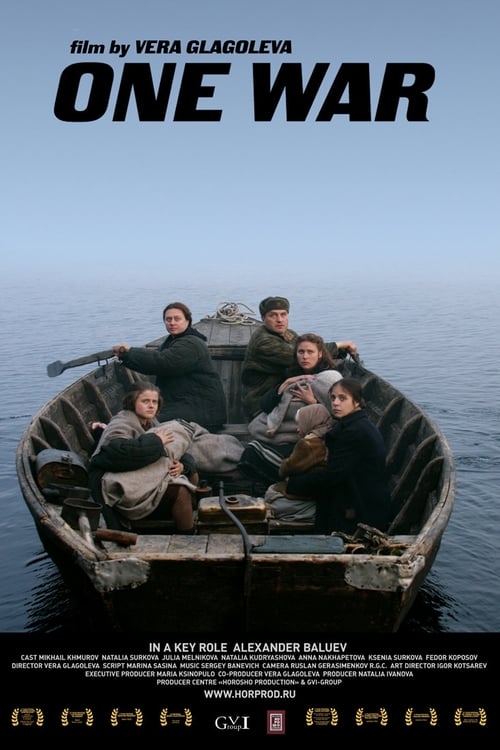
May, 8, 1945. Maxim Prokhorov, major of People's Commissariat of Internal Affairs, arrives at a small northern island. There live eleven people: five young women, five children from one to three years, and the captain Karp Nichiporuk. The young mothers were exiled to the island from the territories occupied by fascists, and their children are the children of the German occupier. Arrival of the major upsets the casual life on the island. The major has to "clean up" the island and the nearest settlements. The military man authorizes a plan to organize a training camp in the region for saboteurs. The night of May, 9, the women are told about the German capitulation, their hopes for forgiveness and return home become a certainty. They are even allowed to celebrate the Victory.
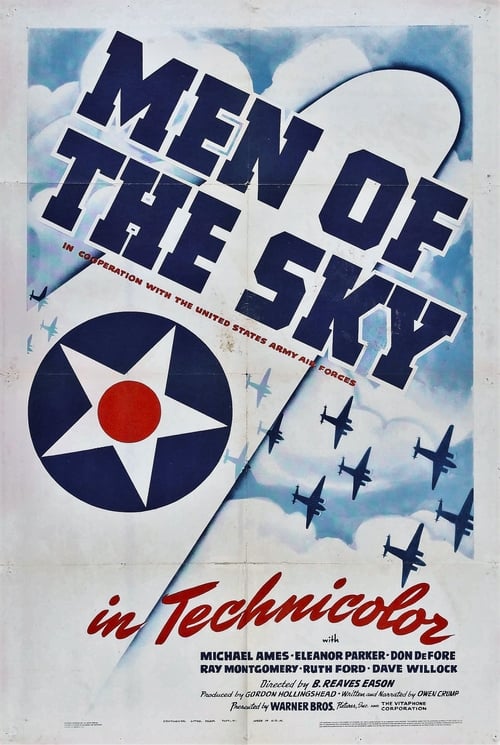
A propaganda film, made in the early months of World War II, dramatizing a new group of U.S. Army Air Force pilots receiving their wings from Lt. General H.H. Arnold. An off-screen narrator introduces four of them to us; we see them before the war, during flight training, and in their first assignments as pilots.
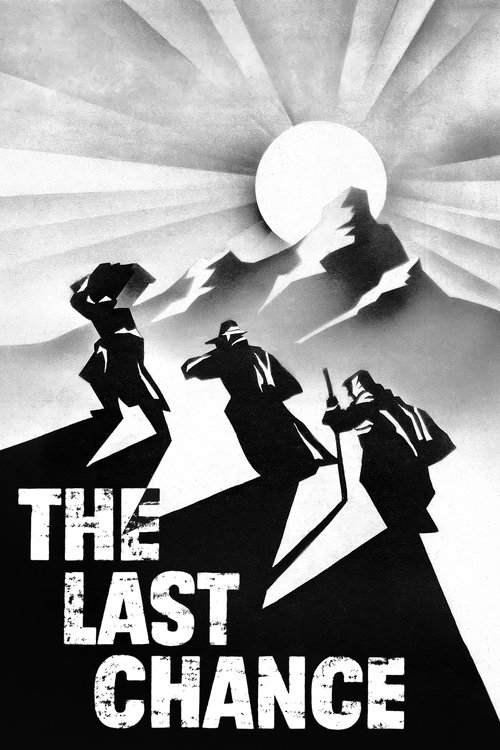
Escaping a Nazi prison train in war-torn Italy, an American and a British soldier set out for the Swiss border and find themselves leading a multi-national party of refugees for the Italian underground.
One day, in Savigny, an 18-year-old boy left his house in the middle of the war, saying: "I'm leaving, I'm going to kill Hitler." His name was Joseph, he was Jewish, he was my great-uncle. He disappeared during the night of the Occupation, and his existence became a family secret. He disappeared from history, the small as well as the big: he is not on any deportation list, and the only archive where he appears is a family photo of him as a child. It disappeared like a stone at the bottom of the water, instead of going up in smoke in the sky of Poland. What did he become? And why didn't anyone mention his name anymore?
This military service comedy chronicles the misadventures of the U.S.S. Bustard in Japan. The crew has stolen a Buddha statue from a Japanese village, which if discovered missing, would threaten Japanese/American relations. Doc Willoughby is the ship's petty officer, whose antics are constantly getting him into trouble with his captain. On shore leave, Willoughby falls for a seemingly demure Japanese girl in a kimono shop, who actually turns out to be a Japanese/American nurse in the US Navy, Lt. Tomiko Momoyama. However, it turns out she was betrothed as a child to a traditional Japanese man named Toshi, who fully intends on enforcing tradition. Willoughby divides his time between trying to return the Buddha statue back to the Japanese village it rightfully belongs to, and trying to woo Tomiko from the traditional Japanese man she rightfully belongs to.
In the Warsau ghetto of 1943, one man's struggle to keep his family together leads him to the ultimate crisis of faith and one final chance at redemption.
October 1941. German forces have penetrated deep into Russia and are laying waste to everything they see. The Soviet high command takes every chance they get to secure the rear and take anything of historic importance out of harm's way.
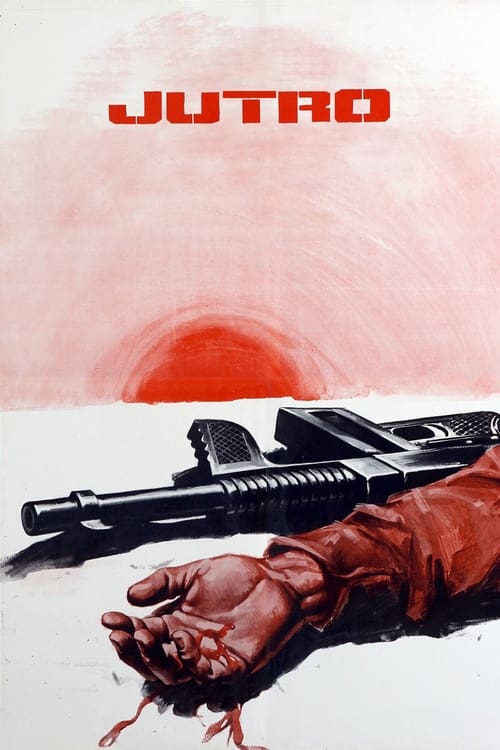
In the first days after the Second World War, as collaborators are being taken care of, a former partisan finds out that war never truly ends — not even in time of peace.
At the breaking of the Civil War the garrison of Fort Laramie splits between the sympathezers of the two different factions, but when the fort is attacked by the Sioux, they unite their forces to fight them.
OVA that recaps the first part (episodes 01-24) of the Layzner TV series.
Explore the stories of women caught up in World War II, from the American Home Front to Auschwitz Concentration Camp in Poland. Included in this hour-long film are also the personal stories of the incredible women who served in a war that proved women were equal to men when it came to patriotism, service, or in some cases, self-preservation during watershed moments which called for steadfastness.
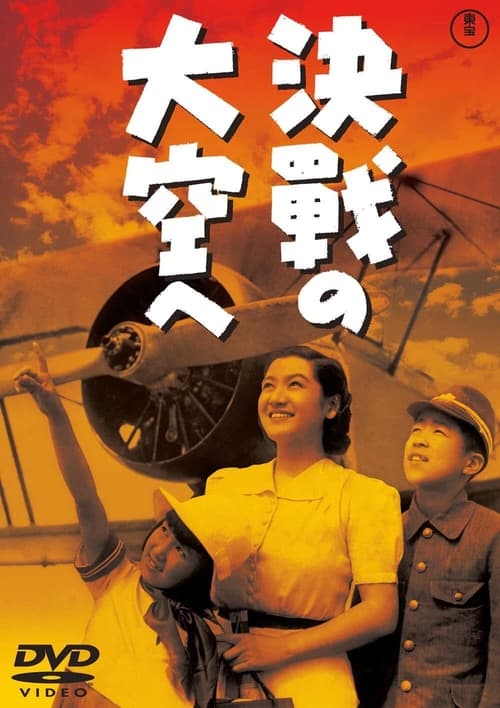
Young men endure challenging flight training in the Yokaren, a program feeding new pilots into the Army and Navy. By the time of the filming, the pressure of the war had led the government to shorten the training and expand the age range of the recruits. Yokaren was highly selective, and thus an object of great fascination and desire for boys and young men. In this Navy–sponsored film, Setsuko Hara plays the daughter of a family that often entertains recruits on their days off—a surrogate sister to many trainees. Her fragile younger brother aspires to join the program, but is rejected. With perseverance and much support from Hara and their mother, he surmounts his weaknesses and becomes a flier.
Soviet agent Fedotov is air-dropped into Nazi occupied land. He changes over into Mr. Ekhert, a German entrepreneur wishing to take advantage of eastern worker slave labor in occupied Ukraine. Ekhert (Fedotov) enters into a partnership with a German entrepreneur who's son, Willie, is a high ranking Nazi. Together they go to Vinnitsa, Ukraine and start a factory. Fedotov begins seeking contacts with headquarters, but faces problems when a Ukrainian Nazi collaborator manages to infiltrate the Soviet partisans.
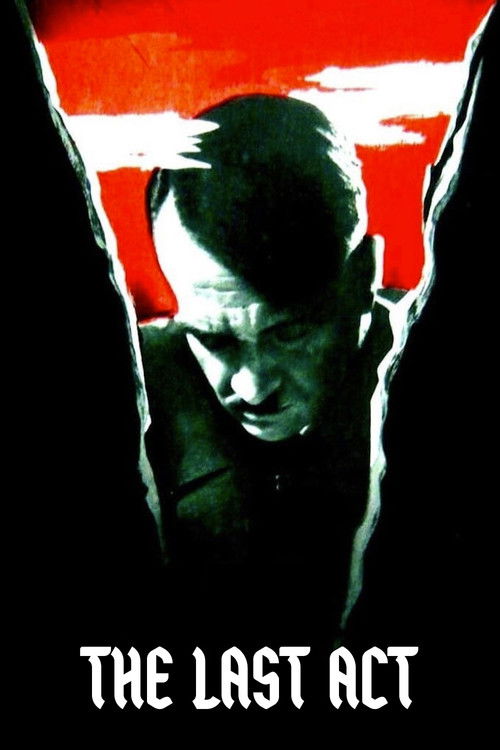
Albin Skoda embodies a frantic Adolf Hitler in his last days, scrambling to keep the Third Reich alive as morale within the bunker wanes and Berlin is encircled by enemy troops. Based on Michael A. Musmanno's book Ten Days to Die, Oscar Werner costars as fictional Nazi Hauptmann Wüst, a disillusioned middleman.