The Ode to Joy
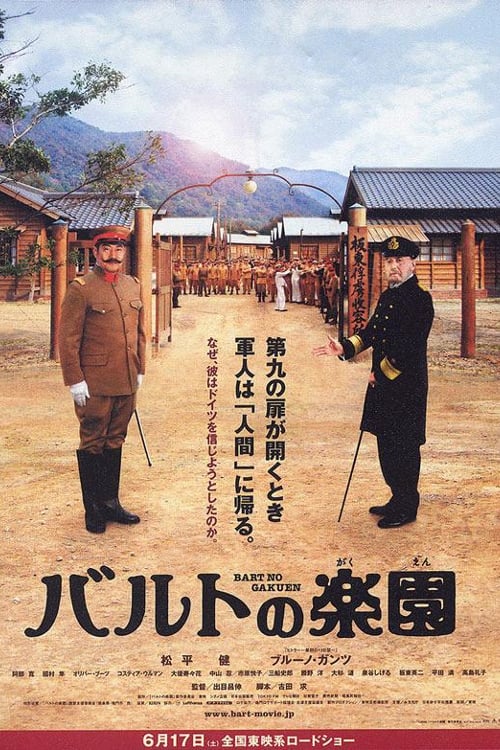
Based on the true story of the Bandō prisoner-of-war camp in World War I. It depicts the friendship of the German POWs with the director of the camp and local residents at the stage of Naruto, Tokushima Prefecture, in Japan.
Browse popular War movies
Based on the true story of the Bandō prisoner-of-war camp in World War I. It depicts the friendship of the German POWs with the director of the camp and local residents at the stage of Naruto, Tokushima Prefecture, in Japan.
The ruthless extremist Bazgaev responsible for terrorist attacks which lead to deaths of hundreds of civilians, among them school children, is planning new actions. A group of security officers is to track and destroy him. Based on a true story.
Documentary-drama recounting the Martian War of 1913–1917. Europe was on tenterhooks in the 2nd decade of the 20th century, everyone was expecting a Great War between the major European powers. But then, in 1913, something crashed into the forests of SW Germany. Troops were sent to investigate but were wiped out. Martian fighting machines began making their way across Western Europe and the countries of Europe combined forces to resist them. With aspects taken from ‘The War of the Worlds’ by H.G. Wells and from WWI itself, this dramatisation presents a documentary style look at events as they unfolded and the effect they had of our world today. Lots of references to real events including the mass attacks and defeats as men were thrown against machines on the Western front, the Christmas truce and the Angel of Mons, America's isolationism and late entry into the conflict, the worldwide Spanish flu epidemic that killed more people than the war, and many other things.
In June 1950, soon after the start of the Korean War, a troop of North Korean soldiers enter a small South Korean village. Captain Jeong-woong proclaims that they came to liberate the villagers but their true agenda is to ferret out the reactionaries. The villagers and Seol-hee, who is separated from her fiance on her wedding day, offer them heartfelt hospitality and cooperation to avoid falling out of the army's favor. Eventually friendships starts to build up between the soldiers and the villagers.
Shortly after the start of World War II, a ukelele player (George) takes the wrong boat and finds himself in (still uninvaded) Norway. He is mistaken for a fellow British intelligence agent by a woman (Mary), and becomes involved in trying to defeat Nazi agents.
In 1915, two Turks in Australia make a living by selling ice cream. When they hear war has broken out, they decide to go to Çanakkale. Authorities don't let them leave the island, so the two decide to put up a fight in Australia.
After the military coup in 2021, Kyaw Kyaw and his friends could no longer safely live in the city, so they took refuge with the armed resistance force and decided to continue their revolutionary journey to the very end.
Three US sailors aboard a decoy ship fight German U-boats in World War I and try to win Sally who works on the Coney Island midway.
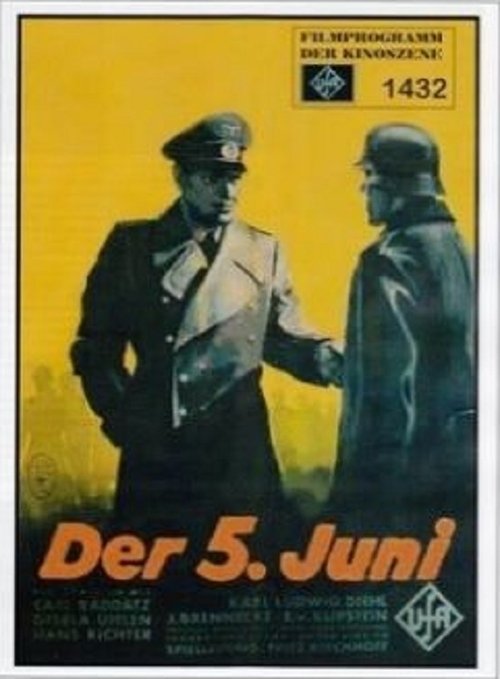
June Fifth ( Ger: Der 5. Juni) is a 1942 German propaganda war film. The storyline centers on an infantry unit during the French campaign. After the death of a war volunteer's father, the volunteer (Gefreiter Eickhoff) is treated harshly by his superior officer, Feldwebel Richard Schulz, who had been friends with the fallen father. The father had wanted Schulz to make his son a good officer. The film explores their relationship amidst the war.
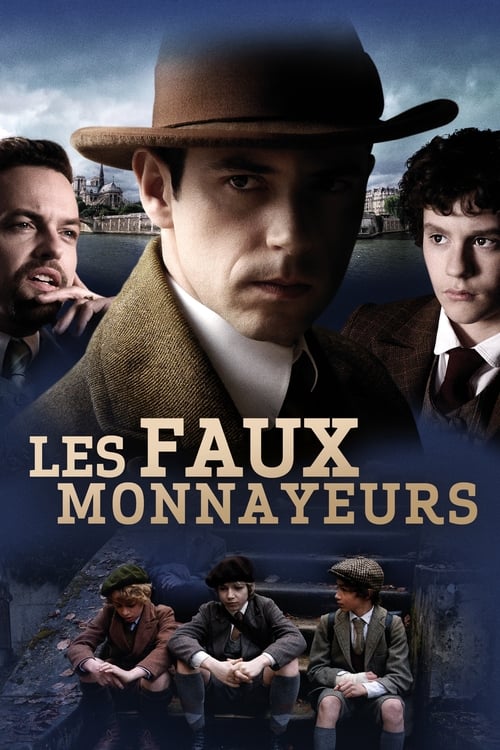
The plot revolves around Bernard – a schoolfriend of Olivier's who is preparing for his bac – discovering he is a bastard and taking this as a welcome pretext for running away from home. He spends a night in Olivier's bed (where Olivier describes a recent visit to a prostitute and how he did not find the experience very enjoyable). After Bernard steals the suitcase belonging to Edouard, Olivier's uncle, and the ensuing complications, he is made Edouard's secretary. Olivier is jealous and ends up in the hands of the cynical and downright diabolical Comte de Passavant, who travels with him to the Mediterranean.
The war film that's not a war film. A film about the mental institution which backdrop is the Chechen war. A story about the patients living in an institution during the war on the border of Chechnia and Russia during the war. The patients have to continue living their day to day life after being invaded twice over, and they have to deal with their sicknesses.
The screen story of four teenagers, on whom the horrors of war had left an indelible mark. Their relatives’ deaths and their yearning for fighting the Nazis led them, one way or another, to a sea cadet school that had been opened on Solovetski Islands at the start of the war. This film tells of men’s friendship, the boys’ first baptism of fire, and the victory…
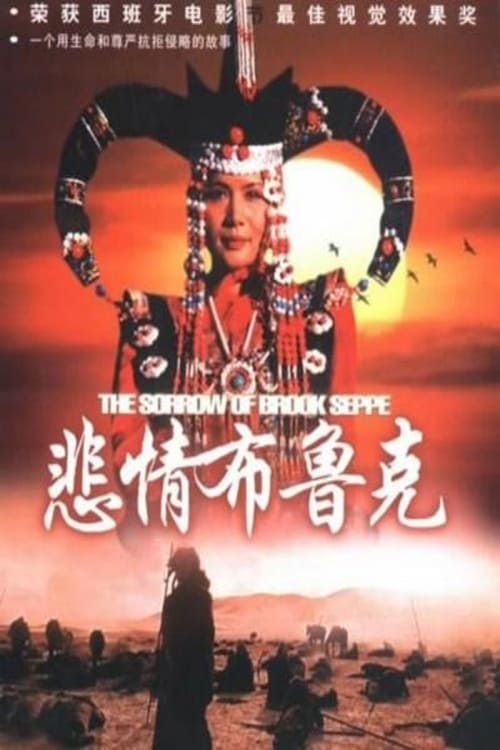
Tells the tragic story of Mongolian herders in defense of their homeland against the invaders.
Short subject intended to promote unified action and sacrifice by Americans on the home front during the war.
The Soviet command has alarming information about the new invention of the enemy. According to intelligence, the Nazis delivered a batch of new chemical shells filled with gas of tremendous destructive power to one of the sections of the Eastern Front. The Nazis want to test them in combat conditions, and then apply them on a large scale.
An anti-war short film that showcases the horror of modern warfare and its toll on the human psyche as seen in the 1930 Best Picture winner at the 3rd annual Academy Awards All Quiet on the Western Front. The film is paired with a reading of Rudyard Kipling's 1903 Anti-War poem Boots.
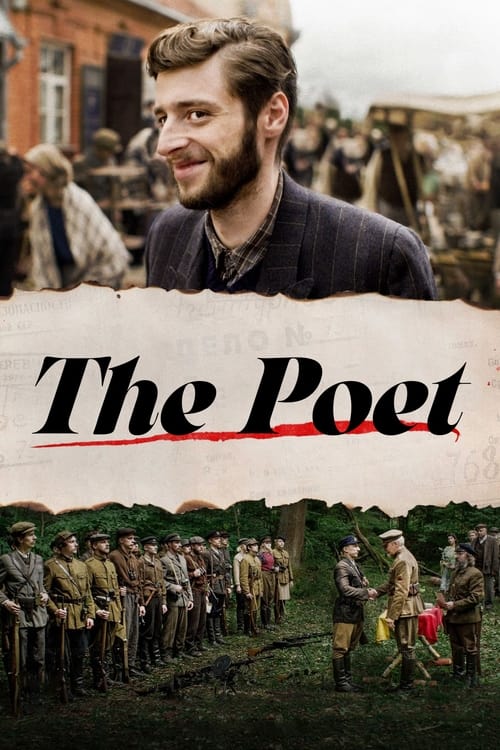
A newly appointed teacher arrives at a remote village school in 1947. The famous journalist and distinguished poet was downgraded for illegal publications and forbidden anti-Soviet verses. Suspicious locals still prefer to test his loyalties, while children wilingly recite his verses from 'To My Soviet Motherland', written under pressure to prase Uncle Lenin. Eventually, an unforgotten friend shows him a secret wintery path to the Dainava resistance platoon's underground bunker.
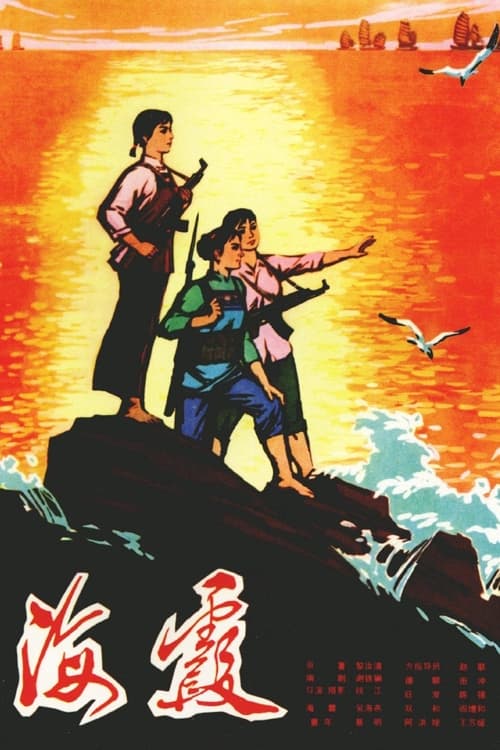
With the fishermen's life on the southeastern coast in the early 1960s as its background, the film depicts a group of militia women who work both as fisher women and fighters defending their homes and the motherland.