
Peace Pox
2011
Based on the Christmas Truce of 1914. Soldiers call a truce on Christmas day and discover that they are neighbors and have been used as pawns in the politician's war.
Browse popular War movies
Based on the Christmas Truce of 1914. Soldiers call a truce on Christmas day and discover that they are neighbors and have been used as pawns in the politician's war.
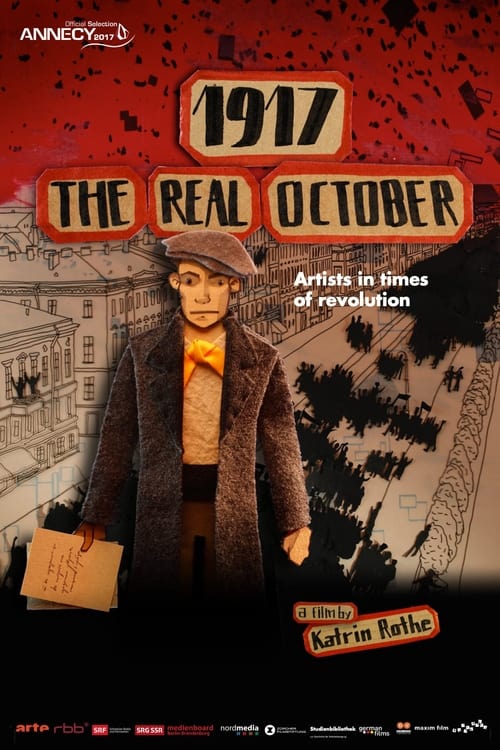
St. Petersburg 1917. The frontline of the global war is coming closer everyday; people are hungry, wor-ried, angry. In February the tsar is overthrown. Many artists are euphoric: Revolution! Freedom, finally? No. Starting in October, the Bolsheviks rule by themselves. What were poets, thinkers, and avant-gardists like Maxim Gorky and Kazimir Malevich doing during this drastic change of power? In the film, five of them alight from the director’s piles of books as animated cut-out figures. With their own recorded words in their mouths, they participate in salons, committees, and street riots.
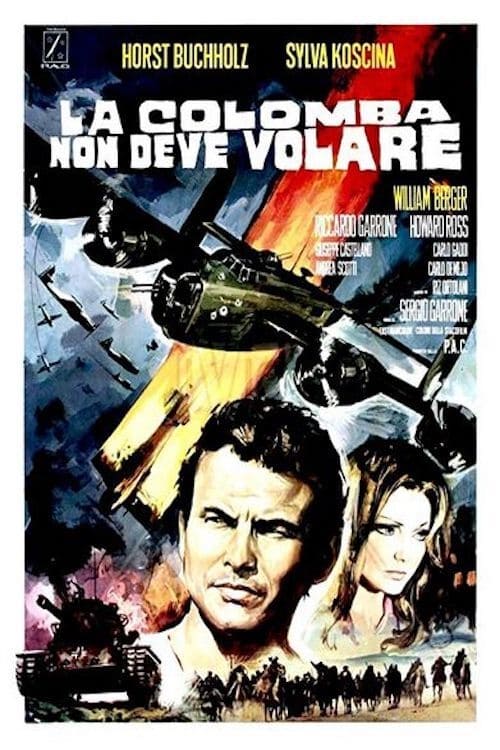
An undercover Nazi in Libya aims to steal fuel and deliver it to a specific location in the desert where an Italian bomber would refuel on its way to Allied target.
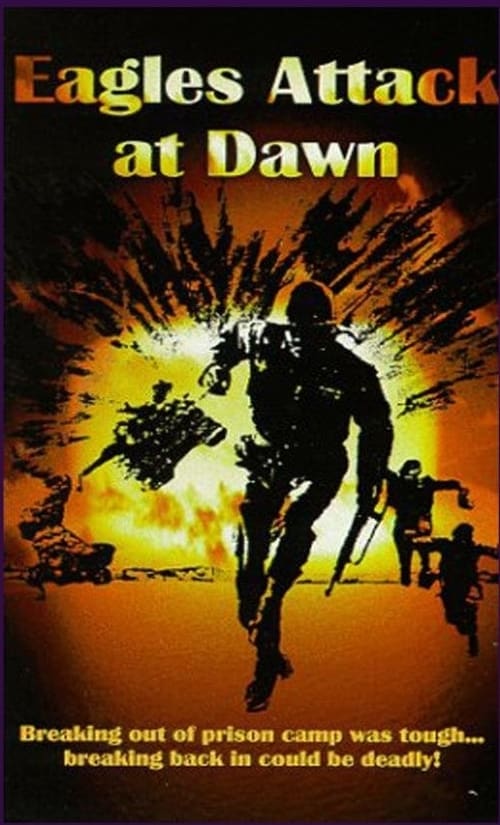
Eli is an Israeli soldier who manages to escape from a notorious Arab prison. He makes it back to Israel, where he finds Beno, another soldier who had spent 2 years of horror in the same prison. They organize a rescue operation against the prison. The soldiers must use both cunning and boldness if they are to help their fellow Israelis regain their freedom.
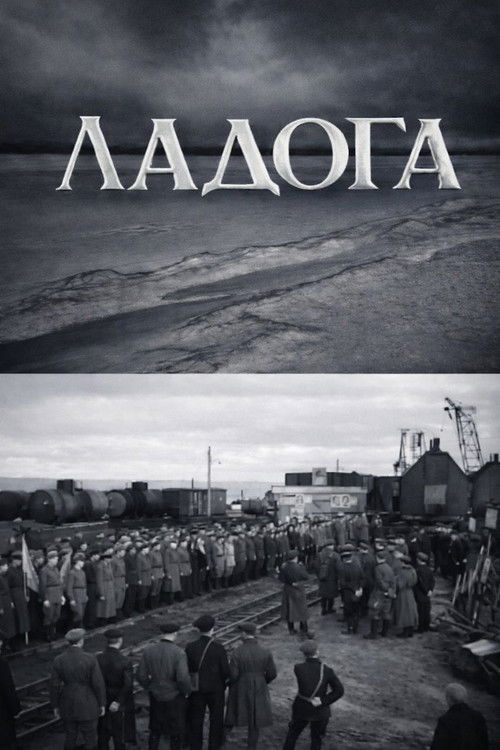
The film was shot in 1942 by cinematographers of the Leningrad Newsreel Studio. It brings together unique footage captured during the siege in the ports of Osinovets and Kobona, during the evacuation of children along the Road of Life, and during the legendary battle on Sukho Island. The film provides a vivid picture of how events on the Road of Life actually unfolded.
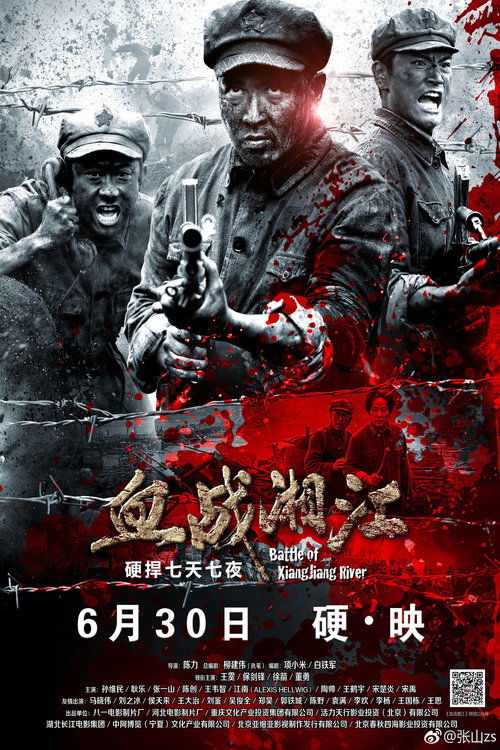
From November 27, 1934 to December 1, the Red Army fought with the Kuomintang army in Xing'an County, Quanzhou County and Guanyang County in the territory of Guangxi province for 5 days, finally, the Red Army through Xiangjiang in the border of Quanzhou County and Xing'an County, they broke through the blockade of the Kuomintang army.
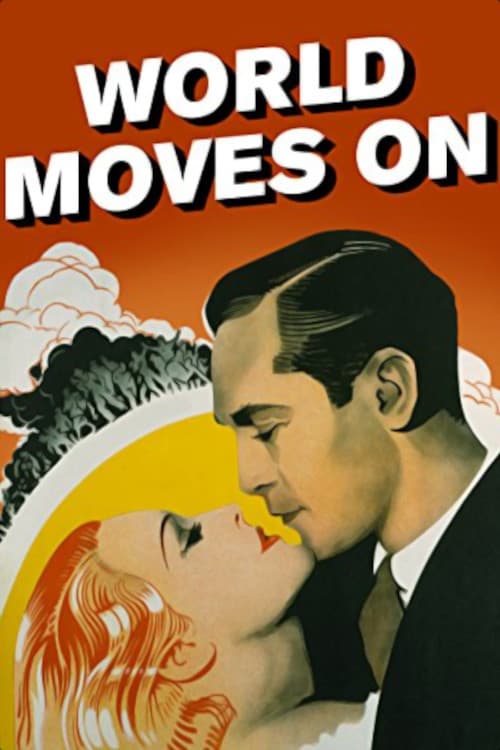
Two families, cotton merchants in England and America, with branches in France and Prussia swear to stand by each other in a belief that a great business firmly established in four countries will be able to withstand even such another calamity as the Napoleonic Wars from which Europe is slowly recovering. Then many years later, along comes World War One and the years that follow, to test the businesses.

During the Mexican Revolution, a hardened and rich lady landowner is overtaken by the violence of the times. Losing her land and house, she falls in love with a revolutionary leader that is killed by a sadistic and corrupt federal officer. She takes the revolutionary flag and leads a rampage of violence and destruction.
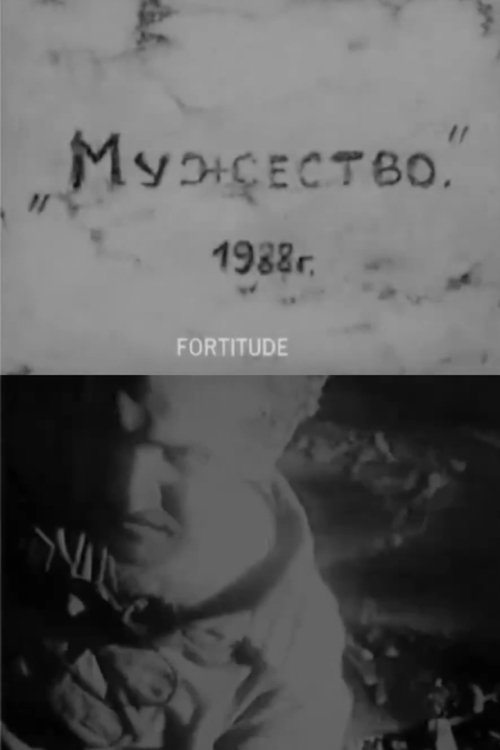
A three-minute long insight into the life of completely unusual people – a group of pacifists forced into hiding in the cellar of a ruinous house to escape a war tribunal. The difficulties of war are manly endured by the film’s characters. This film, like most of Yufit’s works, shows his love of 1920’s avant garde cinema, which was considered the highest pinnacle in cinematography. The director believes the art of moving pictures was more heartfelt before sound and colour. “The development of technologies is not a particularly positive thing for human existence,” says Yufit. —Arsenals Film Festival
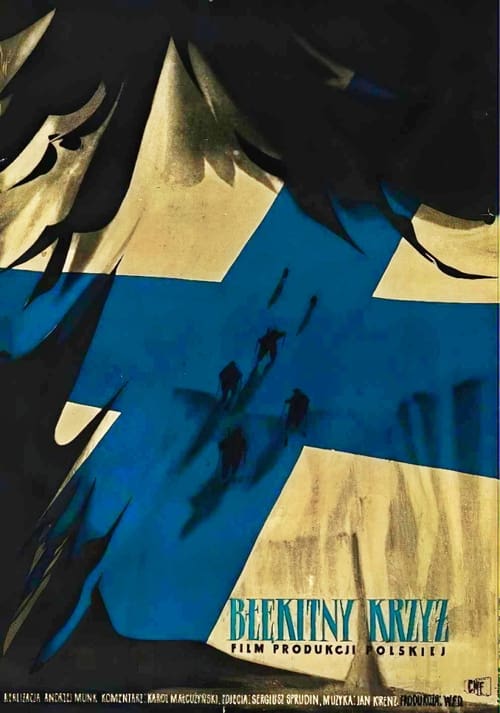
The final film produced by Warsaw’s Documentary Film Studio is an epic re-enactment of a treacherous mission by the Voluntary Tatra Mountain Rescue Service to aid colleagues stranded behind enemy lines at the close of World War II (several real participants feature in the film). Based on a short story about the rescue by Adam Liberak, Munk’s final “documentary” is also arguably his first major exercise in the craft of narrative filmmaking.
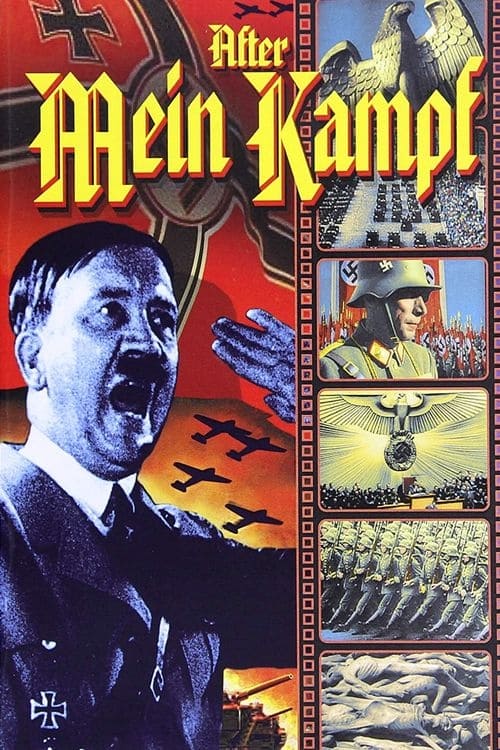
Allied propaganda in the form of cartoons and newsreels shows the rise of Adolf Hitler and the Nazis.
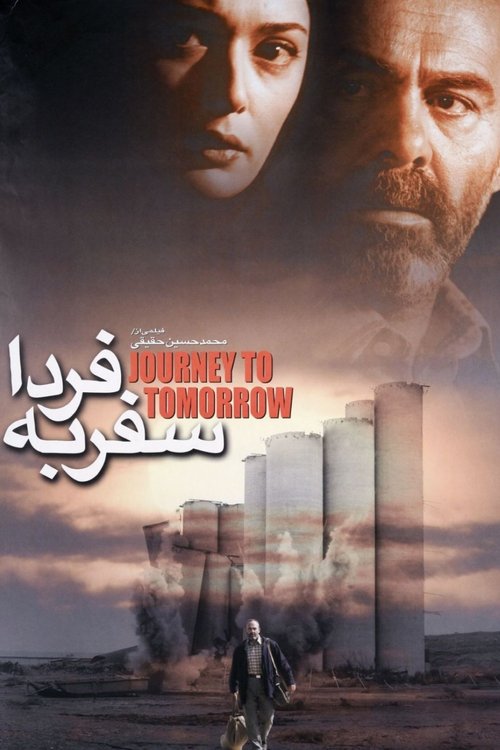
Sara Parsa, a newspaper reporter, and Rahim, a chemical weapons veteran, are traveling together on a train heading to Abadan. Sara has a mission to report on today's youth conference, to which foreign guests have been invited. Rahim has a mission to clear a broken silo left over from the war, full of ammunition and explosives.
The Swedish invasion of 1965 is underway. Swedish troops attack Poland and occupy a significant part of the country. A Swedish governor settles in Warsaw, arousing widespread hatred. Three teenage residents of Warsaw, Maciej, Kacper, and Kazik, with the help of Mr. Rafałowicz, decide to drive the Swedes out of the city.
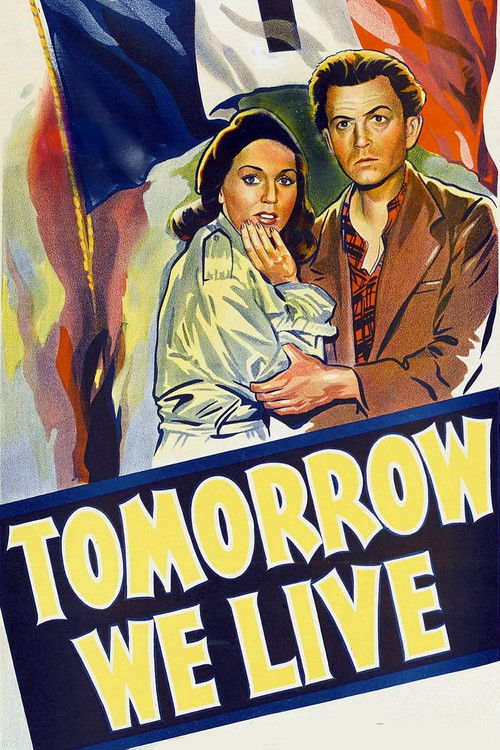
British World War II film set in occupied France, portraying the activities of members of the French Resistance and the Nazi tactic of taking and shooting innocent hostages in reprisal for acts of sabotage. The opening credits acknowledge "the official co-operation of General de Gaulle and the French National Committee". It was released as "At Dawn We Die" in the US.
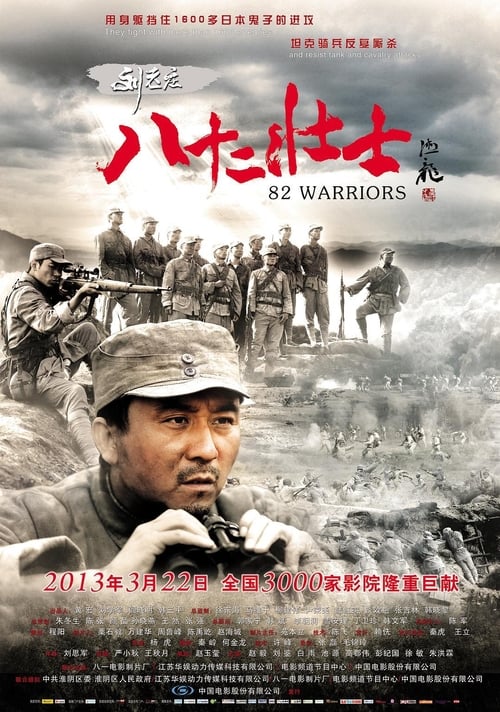
On March 18, 1943, 82 warriors from the 4th Company of the 19th Regiment of the 7th Brigade of the 3rd Division of the New Fourth Army fought in a blocking battle at Liulaozhuang in Huaiyin, Jiangsu Province. In order to cover the safe transfer of the main force and party and government agencies, as a force The weak side stubbornly resisted more than 10 attacks by more than 1,000 Japanese troops. Although all 82 commanders and combatants died heroically, the Japanese army suffered a huge result of more than 170 casualties and more than 200 injuries. There are no mountains, hills, forests or swamps here, and there are no tall buildings to block the enemy. The asymmetric combat with troops and weapons and equipment against the enemy achieved extraordinary results under impossible circumstances and fought an unrestricted war. The fourth company blocked the Japanese troops for more than 10 hours, successfully covering the safe transfer of the people in Liulaozhuang
Funding ceased due to Brexit pullout by backers. In the early hours of the 6th of June 1944 Allied Airborne Forces launched one of most daring assaults in history. 181 men in 6 gliders landed at night to capture two bridges vital to the success of the D-Day landings, one of these would become known as Pegasus Bridge.

The fisherman from a Cornish village have a friendly rivalry with the fishermen (and one formidable woman) from a French port. Then war comes and they must all rethink their petty differences.
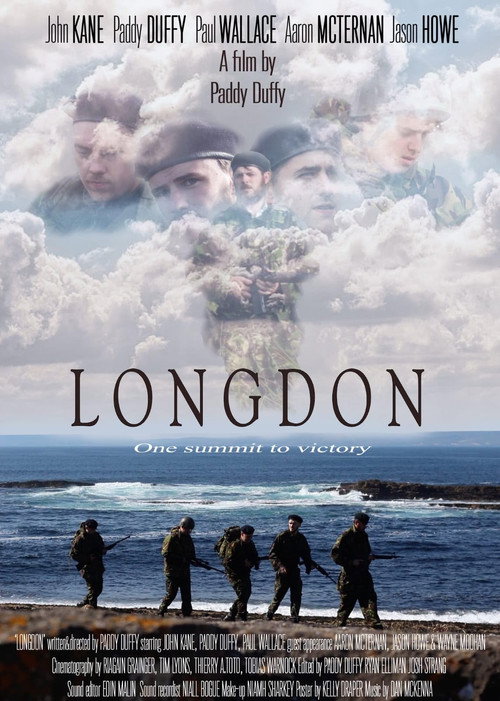
During the 1982 Falklands War, Sergeant John McBride leads a small, divided squad of British soldiers in a dangerous night assault to capture the key Argentine position on Mount Longdon. The film explores the intense combat, themes of patriotism, and the futility of war.
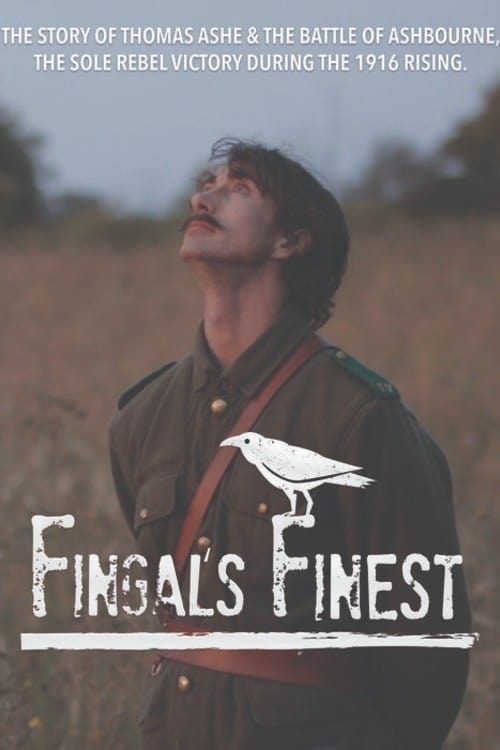
Fingal's Finest tells the extraordinary story of Thomas Ashe & the 5th 'Fingal' Battalion, Dublin Brigade of Irish Volunteers during the 1916 Easter Rising in Ireland. Largely forgotten by history, and by those who tell the tales of the 1916 Rising, the Fingal Volunteers did not lie in wait for the British Army to attack them in the buildings of Dublin City. Instead, they took the fight to their enemy in North County Dublin and Meath, which culminated in the only successful engagement for the rebels during those fateful six days in Easter Week, 1916, when they defeated a superior force of Royal Irish Constabulary at the Battle of Ashbourne.
