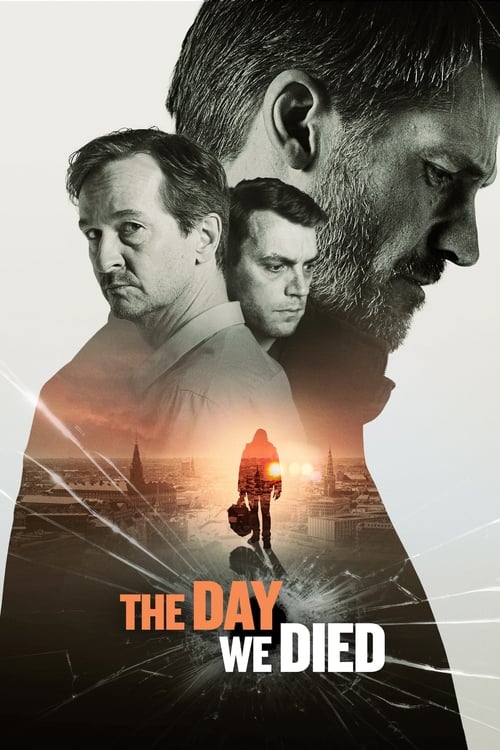
The Day We Died
2020
Film about the events surrounding the terrorist attacks in Copenhagen on February 14th and 15th 2015.
Browse popular History movies
Film about the events surrounding the terrorist attacks in Copenhagen on February 14th and 15th 2015.

A young woman in Stalin-era Riga joins a basketball team, hoping that she will be allowed to travel abroad and see her brother who's living in exile.
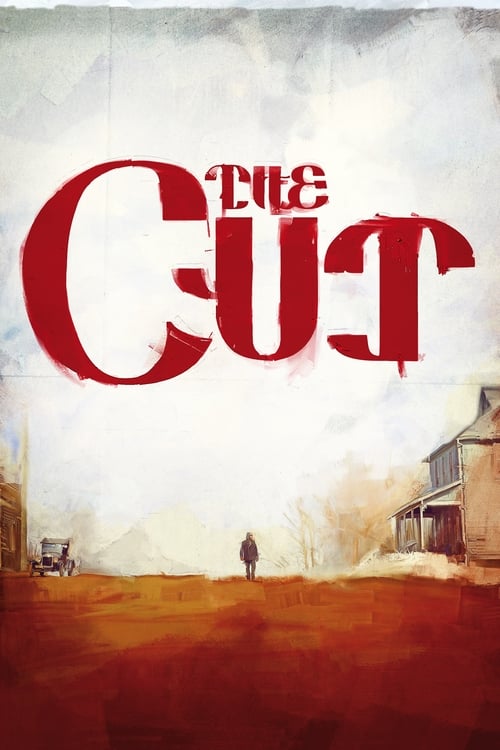
In 1915, a man survives the Armenian genocide in the Ottoman Empire, but loses his family, speech and faith. One night, he learns that his twin daughters may be alive, and goes on a quest to find them.
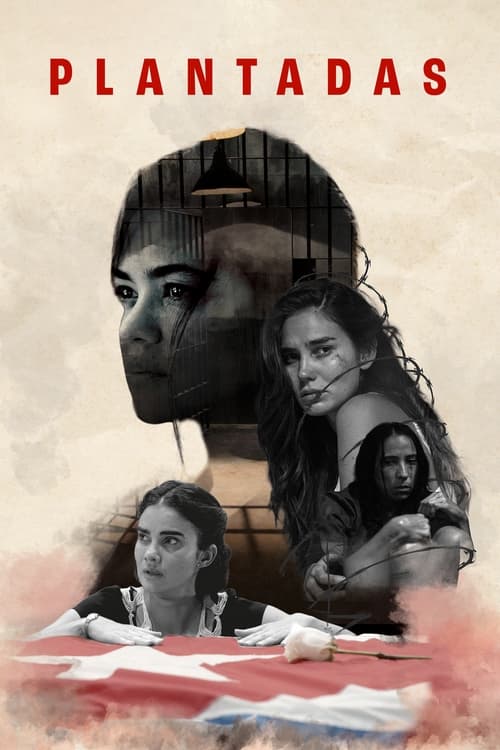
Alina, Luisa and América are three women who after fighting to restore and stabilize democracy to their country realize they’ve been betrayed by the leader of the revolution. The three women begin to confront and challenge the new system in their own ways and for different reasons they find themselves jailed.
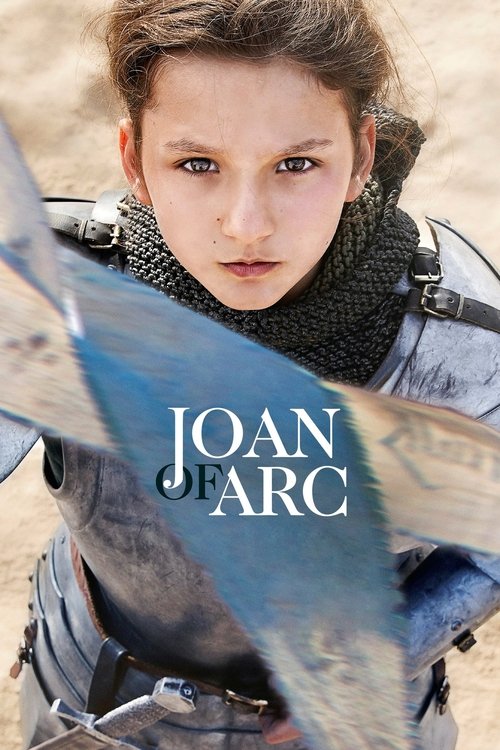
In the 15th century, both France and England stake a blood claim for the French throne. Believing that God had chosen her, young Joan leads the army of the King of France. When she is captured, the Church sends her for trial on charges of heresy. Refusing to accept the accusations, the graceful Joan will stay true to her mission.

Master filmmaker Alexander Sokurov (Russian Ark) transforms a portrait of the world-renowned museum into a magisterial, centuries-spanning reflection on the relation between art, culture and power.
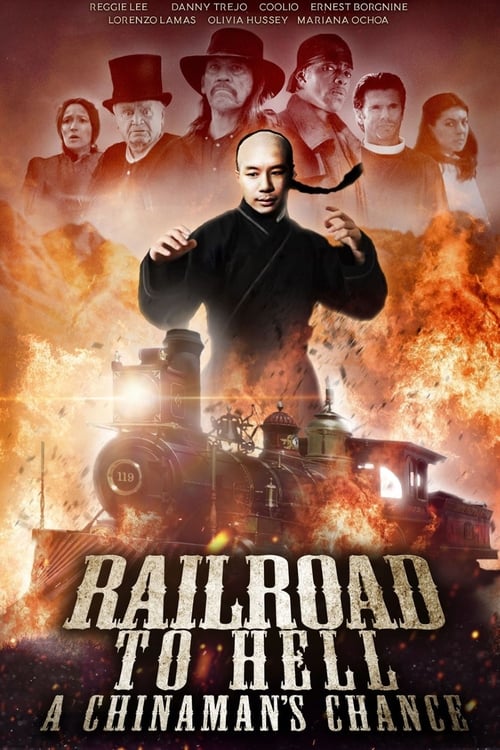
1870's America. A Chinese immigrant falsely accused of murdering a white woman is viciously hunted down; he'll have to prove his innocence in a time when people of color had "no legal rights" and could be bought and sold for a profit. Railroad to Hell: A Chinaman's Chance explores the exploitation of Chinese workers during the building of American railroads. The workers not only spent long hours, but the work was often dangerous and fatal. The Chinaman is a fugitive on the run, and all odds are against him. While stealing a horse was a hanging offense in the Old West, our fugitive knows that killing a Chinaman is not a crime.

Leonardo da Vinci was a Renaissance genius. Not only did he paint masterpieces of art, but he was an obsessive scientist and inventor, dreaming up complex machines centuries ahead of his time, including parachutes, armored tanks, hang gliders and robots. On the 500th anniversary of Leonardo’s death, with the help of biographer Walter Isaacson, NOVA investigates the secrets of Leonardo’s success. How did his scientific curiosity, from dissections of cadavers to studies of optics, shape his genius and help him create perhaps the most famous painting of all time, the "Mona Lisa"?
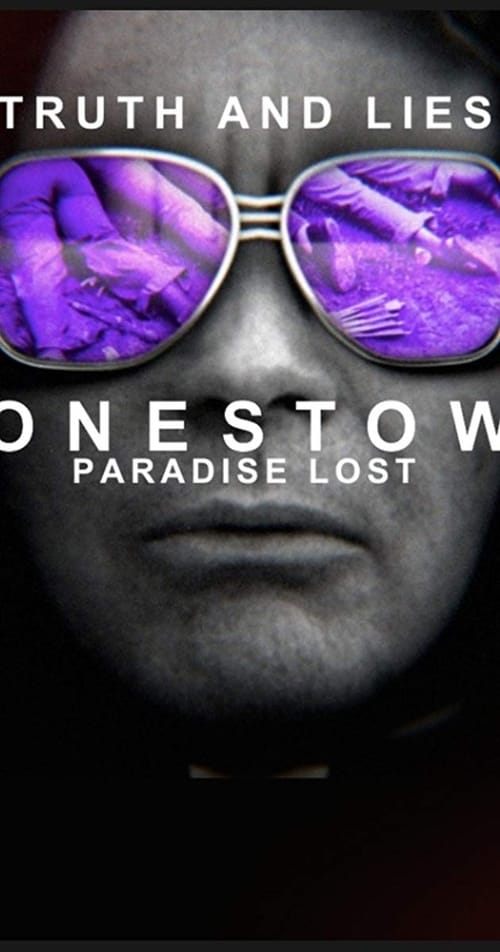
Truth and Lies: Jonestown, Paradise Lost offers new insights into the Peoples Temple tragedy, exploring lingering questions about Pastor Jim Jones, his religious and social justice movement, and the deaths of his followers that day.
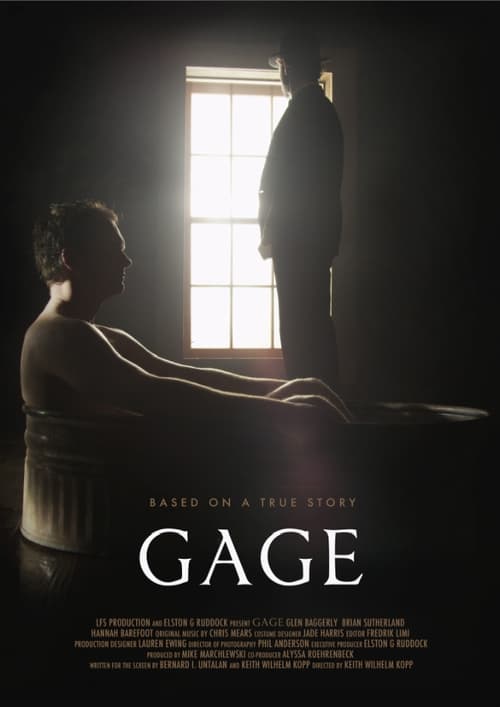
In 1848, Phineas Gage suffers an unspeakable brain injury when a tamping rod plunges through his skull, causing dramatic shifts in his personality. His physician Dr Harlow watches over his recovery and must choose whether or not to fight for this outcasts place in the local community.
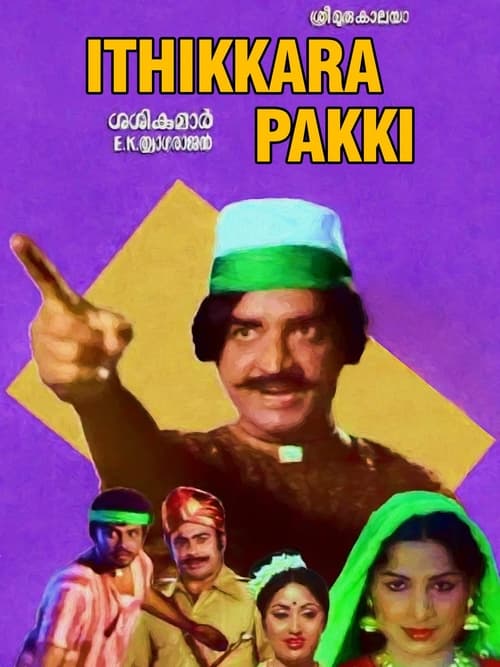
Ithikkara Pakki, a daily-wage labourer, fights against a wealthy landlord when he tries to trouble the villagers. Things get worse when he falls in love with the landlord's daughter.
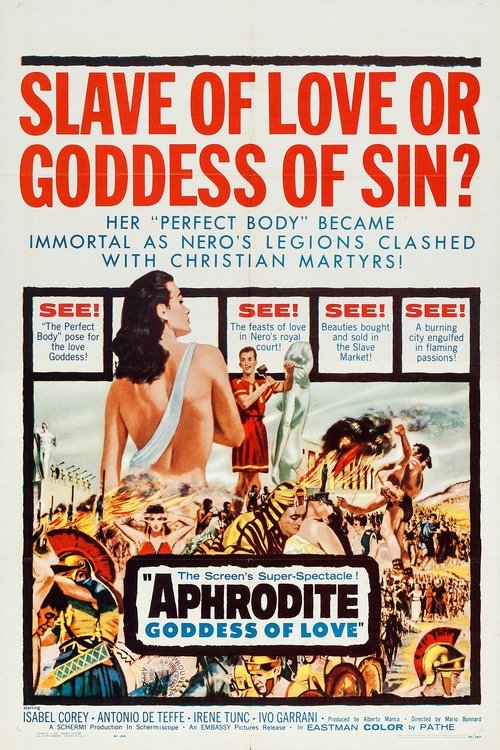
The construction of great temple dedicated to the goddess Aphrodite, followed by new and high taxes and the arrival of a plague, create discontent in the population, and threatens the love between a sculptor and a slave.

Based on the controversial novel by Philippa Gregory, "The Other Boleyn Girl" is a fictionalised account of the life of Lady Mary Boleyn who becomes mistress to England's king, Henry VIII, before being ousted by her younger sister, Anne. Mary leaves the Court to marry a commoner, but returns when Anne embarks on a reckless policy to save herself from ruin.
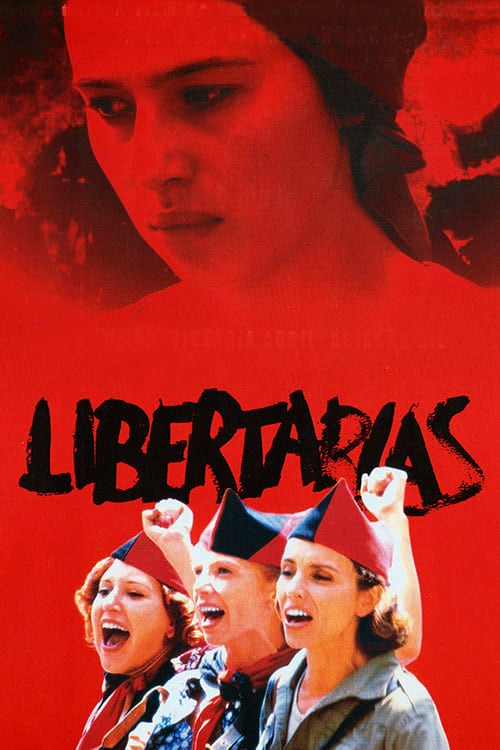
At the outbreak of the Spanish Civil War, the nun Maria is forced to flee her convent. She takes refuge in a brothel, until it is liberated by a woman's anarchist group. Maria joins the group and eventually goes to the front. The women's group faces the problems of fighting not only the nationalists, but also factions on the left seeking to impose a more traditional military structure.
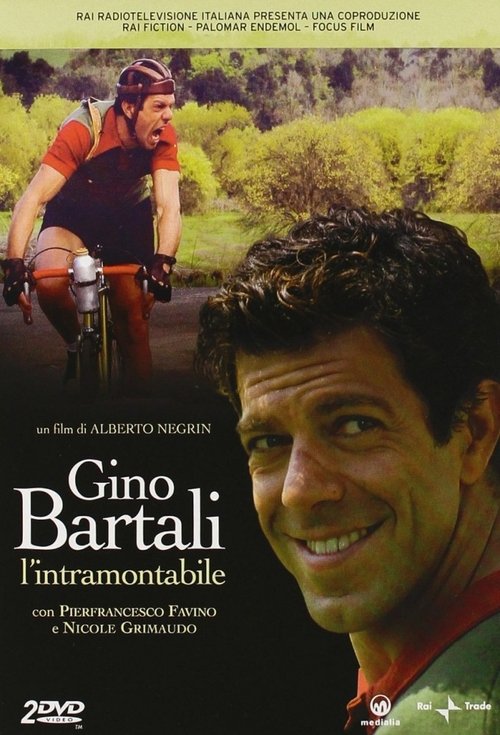
Gino Bartali became a national hero after winning the Tour de France in 1938 but whose career was put on hold for a decade following the outbreak of World War II. In 1948, ten years past his prime, he would attempt to reclaim his title despite years without competitive racing.
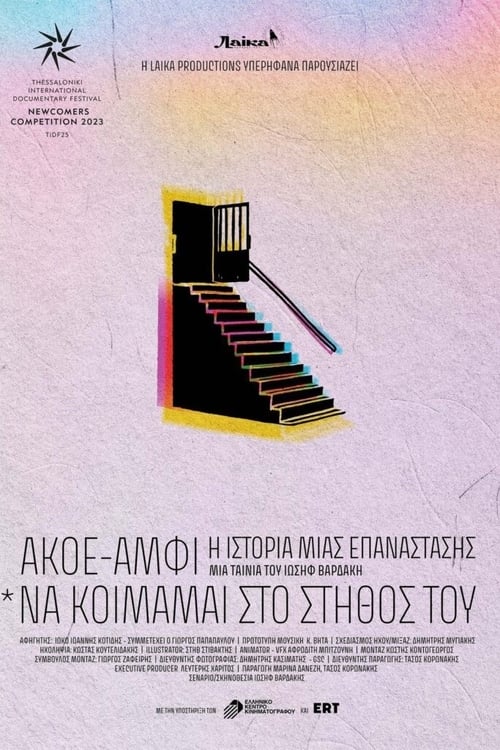
Greece, 1977. A proposed law brings gay men and “transvestites” together in a historic event and sparks the creation of the first Greek LGBT movement. For the next 13 years, AKOE and its magazine Amfi, would define the way LGBT Greeks think about themselves. This film celebrates their story and legacy.
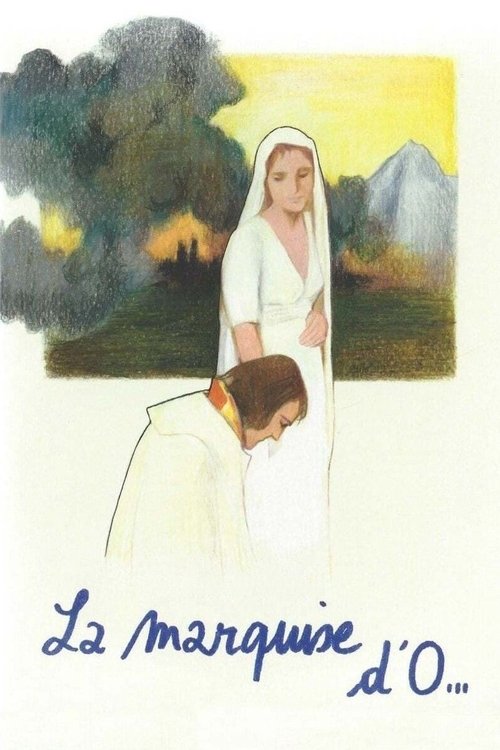
A German Marquise has to deal with a pregnancy she cannot explain and an infatuated Russian Count.
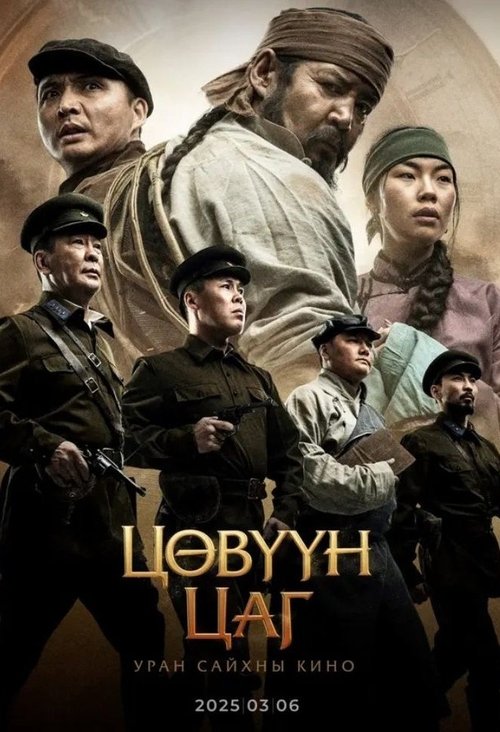
In 1911, Bogd Khan, with the help of his trusted spy Natsag, declares Mongolia’s independence. However, by 1928, the rise of the Comintern introduces a new threat. Under the guise of eliminating Baruuntan influence, the Comintern forces its control over Mongolia, shutting down religious monasteries and seizing private property. Riots erupt, forcing many to flee as the country descends into chaos. Natsag’s family, once secure, is swept into this storm, facing a personal and political unraveling as Mongolia enters its dark time.
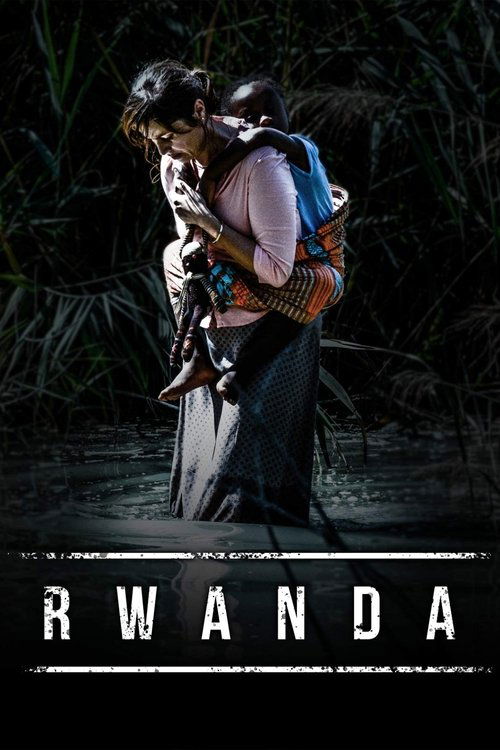
Two white Italian actors play Black Rwandans in a fact-based tale set during the Rwanda genocide.
