
Mahaba
2025
As the sun sets over the ocean, Estelle risks everything to send a secret message to the man she truly loves.
Browse popular History movies
As the sun sets over the ocean, Estelle risks everything to send a secret message to the man she truly loves.

A children's movie about John Paul Pope the second. It combines animations, archived material and amature film. It tells the story about his childhood.

A true crime drama about Paul John Knowles, an American serial killer tied to the deaths of 18 people in 1974, although he claimed at least 35.
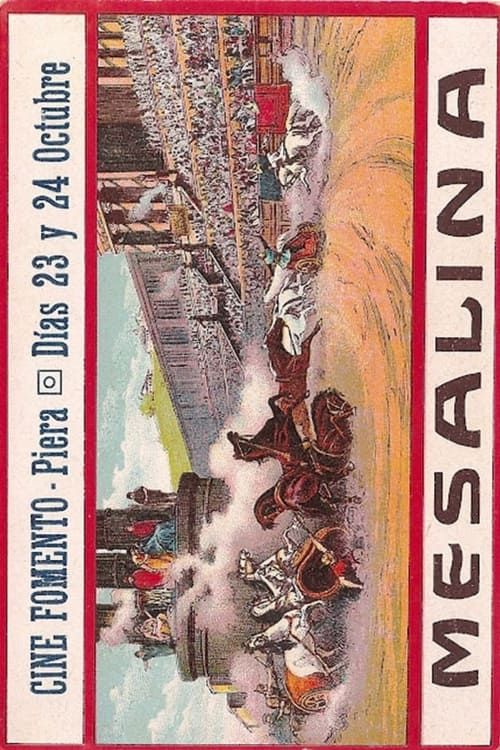
In ancient Rome, tyrannical Emperor Caligula is assassinated through the machinations of Messalina. She then makes a conquest of Marcus, who forces the Senate to name her husband, Claudius, as emperor. Messalina's wicked ways continue when she falls in love with Ennio, a slave. Ennio is also loved by Egyptian princess Mirit, but he loves neither of them, preferring the company of Ela, a Greek slave.
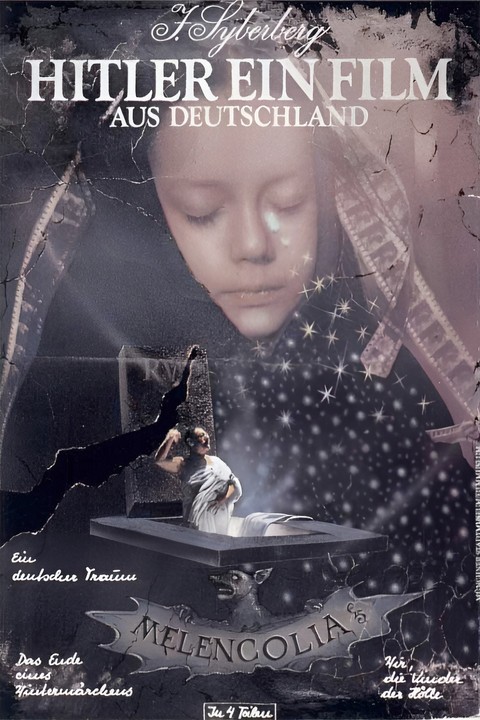
A structure-free, four-part examination of the rise and fall of the Third Reich. Each part explores a different topic, from Hitler's cult of personality in propaganda to how said propaganda was associated with pre-Nazi German cultural, spiritual, and national heritage to the Holocaust and the ideology behind it, particularly from Himmler's point of view.
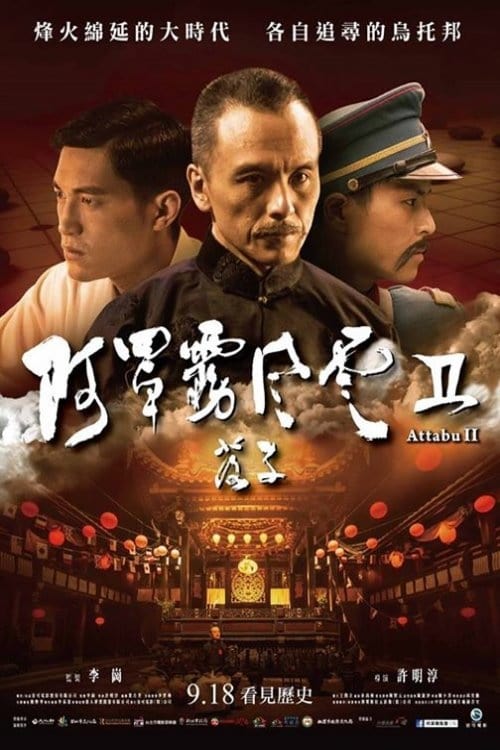
The film documents the rise and fall of the Wufeng Lin family in Wufeng, Taiwan over the turbulent years of Taiwan under the administrations of the Qing dynasty, Japan, and Republic of China.

During the American Revolution, a young soldier carrying a crucial message to General Washington is spotted and pursued by a group of enemy soldiers. He takes refuge with a civilian family, but is soon detected. The family and their neighbors must then make plans to see that the important message gets through after all.
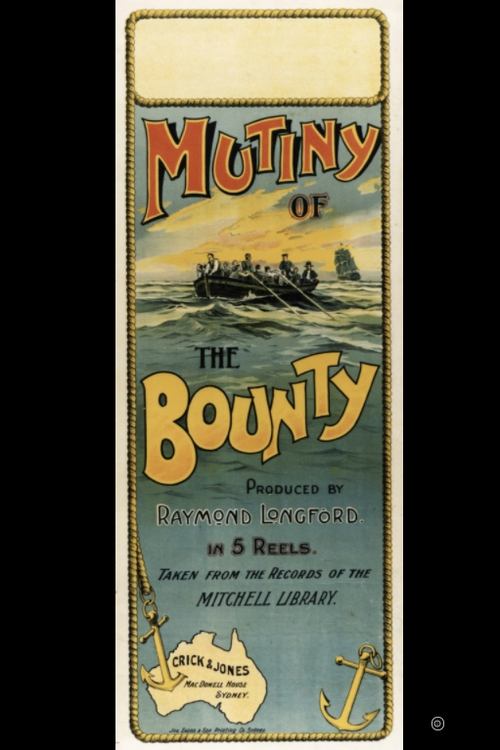
The Mutiny of the Bounty is a 1916 Australian-New Zealand silent film directed by Raymond Longford about the mutiny aboard HMS Bounty. It is the first known cinematic dramatization of this story and is considered a lost film. Longford claimed it was the first Australian film to shoot scenes at sea.

One of the key factors in Italian unification was the overthrow in 1860 of Francesco, the King of Naples and the two Sicilies, who went into elegant but impoverished exile in Rome with his Queen, Maria Sofia. This seriocomic drama follows the deposed royals as they adapt to their new lives. The former king has recognized the political finality of his deposition, but his queen has taken to traveling in men's clothing all over Italy trying to foment an uprising to restore them to the throne. She is also frantic to have a baby, an heir, but the king has become celibate as a kind of homage to his beloved mother; he spends all his time lobbying the Vatican to get her declared a saint.
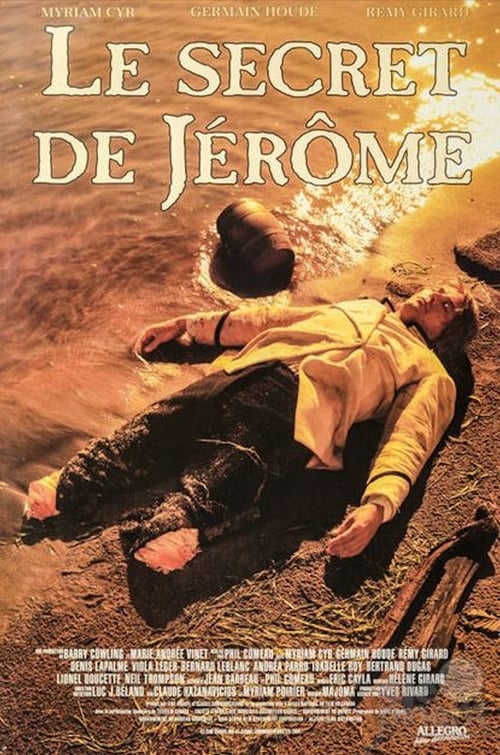
In 1863, when a legless, shipwrecked man washes up on the Acadian coast, he's taken to the home of Jean the Corsican, a burly and bitter former soldier, and his childless young wife, Julitte. The man, who is young, handsome, and well-dressed, remains mute as Julitte nurses him back to health. Jean, meanwhile, who is inexplicably estranged from Julitte and an outsider to townspeople, continues his hunt for pirate treasure, rumored to be hidden in a cave by the sea. The treasure is his ticket out of Acadia. As loneliness and Eros draw Julitte and the mysterious Jérôme together, something's got to give.
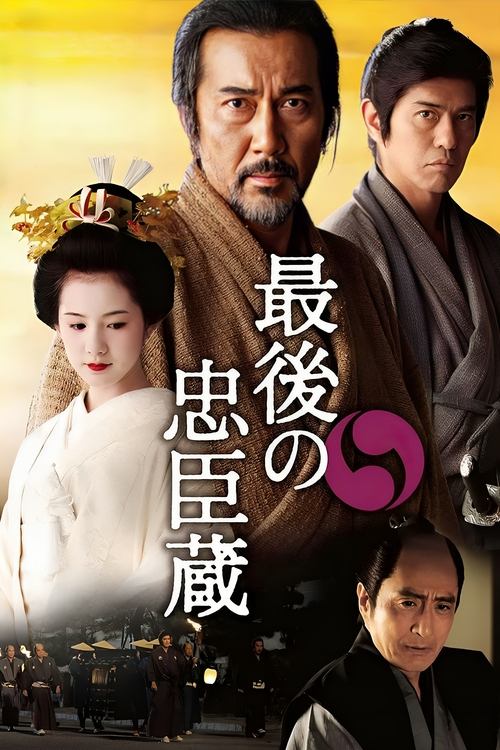
16 years after the fateful "revenge of the Forty-seven Ronin," involving samurais from the Ako domain who avenged their leader and then commited seppuku (ritual suicide), the sole survivor of that incident, Kichiemon Terasaka (Koichi Sato) traverses the country on a mission. His purpose is to find the families of the fallen samurais and spread the truth of the ronin uprising.

The story of what daily life was like in Poland under communism: private conversations, cruel interrogations, recruitment attempts, recorded and filmed with hidden devices; of how the secret services spied on every activity of ordinary citizens: nothing escaped the brutal system of control developed by the Soviets in the name of freedom.

In autumn of 1526, the Emperor, Charles V, sends his German landsknechts led by Georg von Frundsberg to march towards Rome. The inferior papal armies, commanded by Giovanni de'Medici, try to chase them in the midst of a harsh winter. Nevertheless, the Imperial armies manage to cross the rivers along their march and get cannons thanks to the maneuvers of its Lords. In a skirmish, Giovanni de'Medici is wounded in the leg by a falconet shot. The attempts to cure him fail and he dies. The Imperial armies assault Rome. The film is beautifully but unassumingly set, and shows the hard conditions in which war is waged and its lack of glory. It ends straightforwardly with the declaration made after the death of Giovanni de'Medici by the commanders of the armies in Europe of not using again fire weapons because of their cruelty.
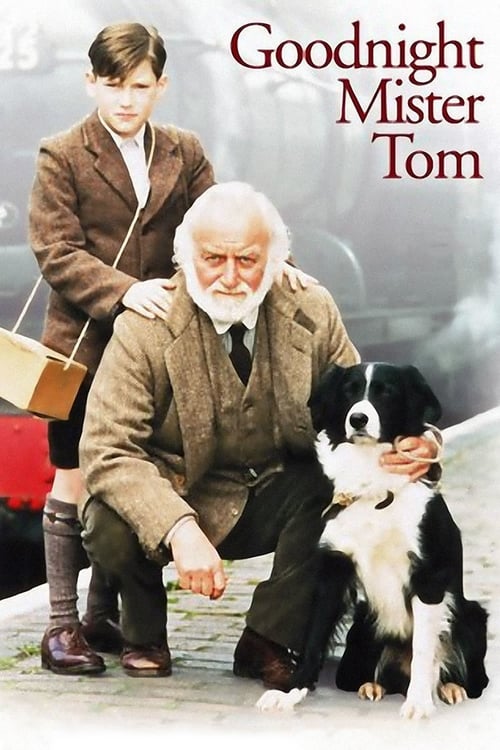
A shy and quiet World War II evacuee is housed by a disgruntled old man, and they soon develop a close bond.
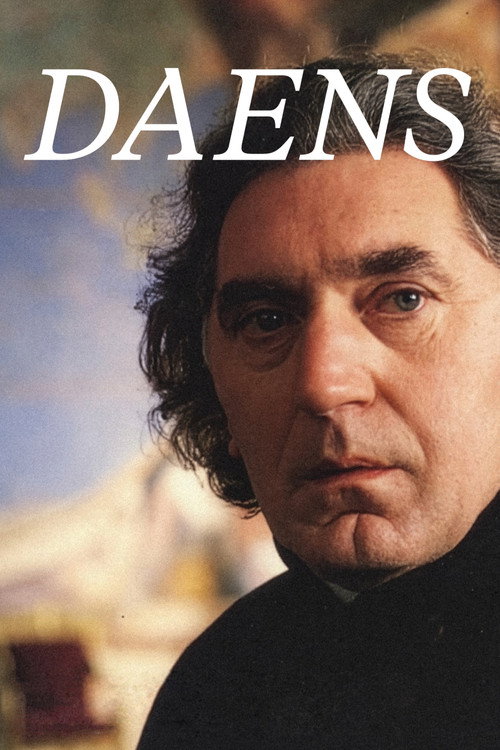
Father Daens returns to Aalst, where workers suffer from poverty, child labor, and exploitation in the textile industry. Driven by his sense of justice, he takes their side, even if it means confronting the church and the upper class. A detailed historical drama about the fight for justice.

A series of images, music and sounds which transport through Mexico's history, without any narrative sequence. The film spins constantly round the question 'Where are the singers from?'
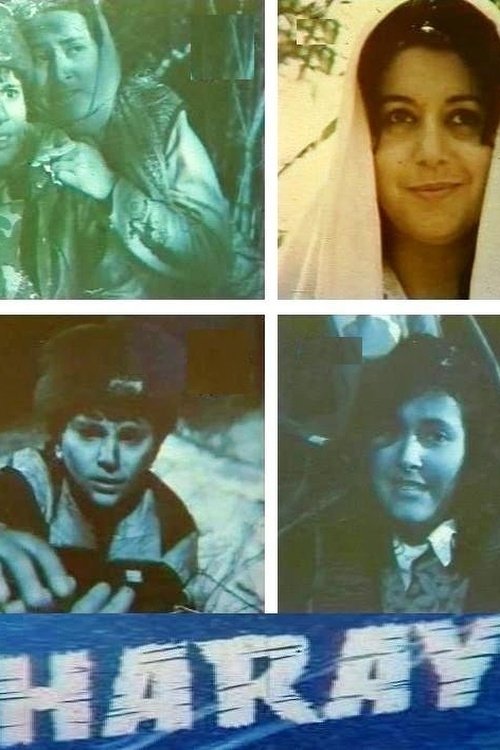
The film is about the Khojaly tragedy. It tells the story of two teenagers, a brother and sister, who endure incredible suffering to escape from enemy encirclement. The two teenagers, who witness the incredible suffering inflicted on Azerbaijani prisoners by the Armenians, see the only way out is to throw themselves off a mountain.

A portrait of French filmmaker Michel Gondry, creator, for three decades, of an imperfect, astonishing, fascinating, damaged and poetic work.
