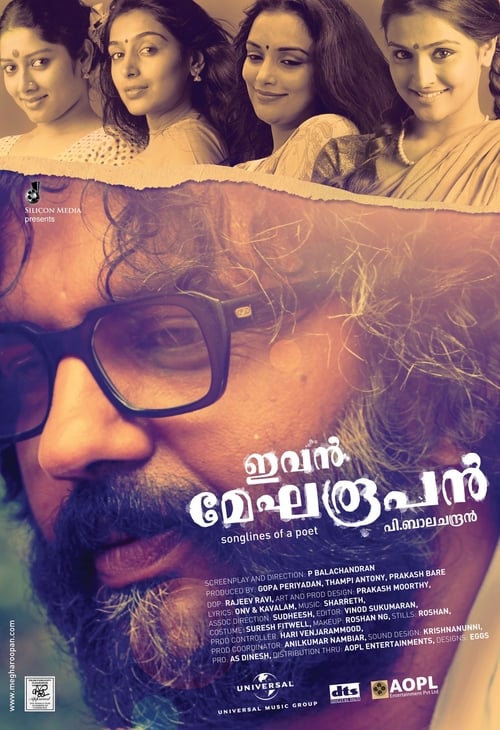
Ivan Megharoopan
2012
The film is based on the life of Malayalam poet P. Kunhiraman Nair and is particularly based on his autobiography, Kaviyude Kalpadukal.
Browse popular History movies
The film is based on the life of Malayalam poet P. Kunhiraman Nair and is particularly based on his autobiography, Kaviyude Kalpadukal.
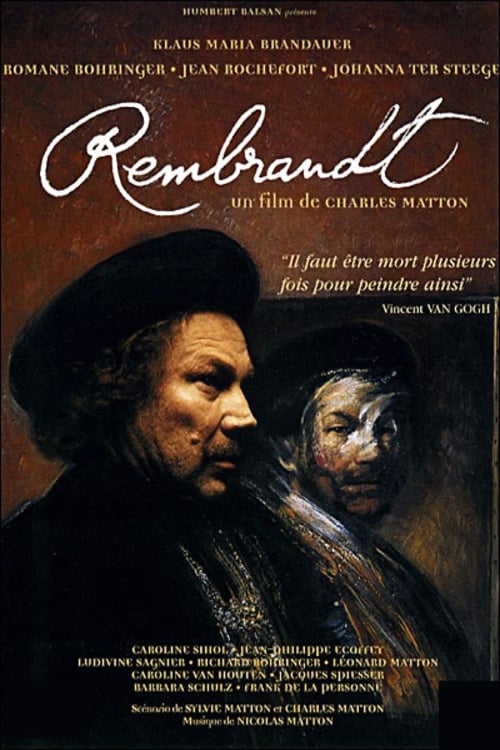
This French-German-Dutch biopic on the life of 17th century Dutch master Rembrandt van Rijn is told in flashbacks from the point-of-view of the aged artist. Soon after establishing his career as a painter in Amsterdam, he marries the radiant Saskia. As he makes a name for himself, he can soon afford to buy a large house by teaching wealthy aristocrats how to paint. However, the couple's happiness is short-lived; Saskia dies soon after bearing their son, Titus. Crushed, van Rijn seeks comfort first in the arms of his maid Geertje and then with his second wife, Hendrickje, who gives birth to a daughter. In spite of his genius, van Rijn's determinedly eccentric behavior alienates the very members of the elite who were paying his bills. At one point, the artist's home and belongings, including many of his paintings, are seized and sold for humiliatingly low prices in a rigged auction.
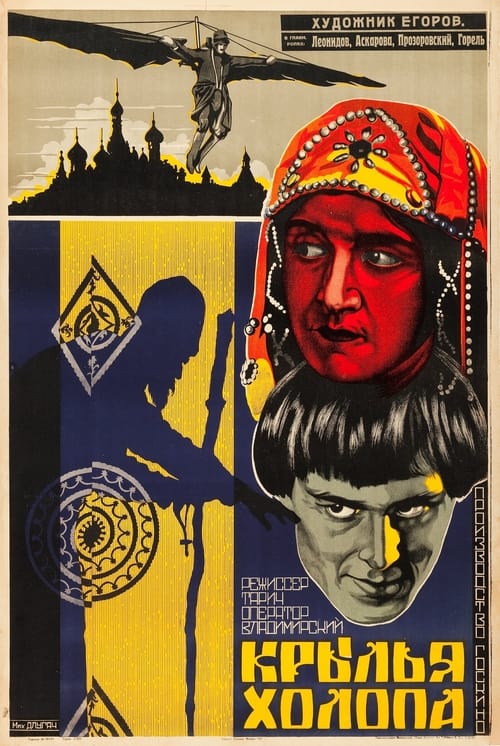
This SovKino production was a major early experiment in Soviet historical film about the oprichnina period of Muscovite history, combining the costumed drama and Gothic thrills of the genre with historical materialist commentary on the dialectical collision of scientific progress and patriarchal religious tyranny under Tsar Ivan the Terrible. It follows a self-taught inventor from the serf class Nikishka, whose efforts to build a flying machine incite accusations of witchcraft. Nikishka and his beloved Fima are persecuted by the feudal lord Kurlyatev, who took their village in a petty land squabble. They’re rescued when Kurlyatev’s lands are taken by the Tsar in his autocratic campaign against the feudal system. Ivan puts Nikishka to work in his linen mill, where the young serf is coveted by Tsarina Maria Temryukovna, who the Tsar’s been ignoring in favor of his cupbearer Feodor. A series of harrowing intrigues wind a bloody dance through bedchamber, feast hall, cathedral and dungeon.
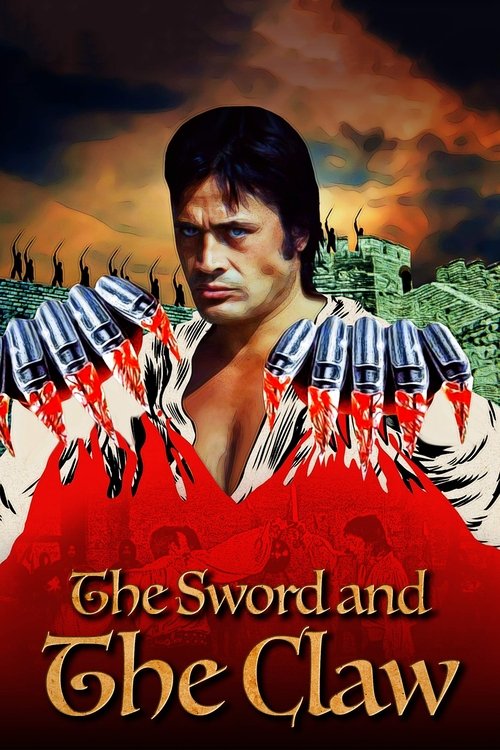
When the king is murdered, his baby son and heir is hidden in the forest where he is abducted and raised by a pride of lions. As an adult he uses his beastly strength and claw-like hands to take revenge against the new king and his armies.
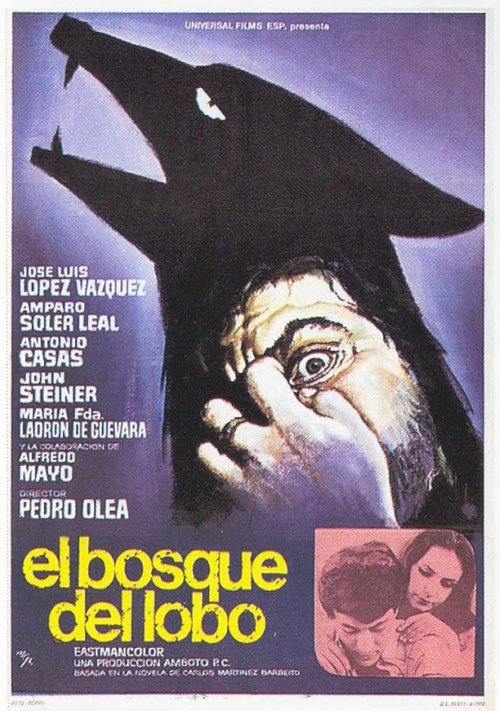
Benito Freire, a pedlar in a small village in northern Spain suffers from epileptic seizures and rumours start to spread that he may be a werewolf and responsible for a series of killings. The local Abbot is called upon to form a team to investigate, in an effort to halt the harrowing murders.
A wounded rebel from an underground insurgent group seeks refuge in a remote village, where guilt, suspicion, and the struggle for survival force him to confront his past and the consequences of violence.

Russia, 1917, WWI. This is the story of the 1st Russian Women's Battalion of Death, formed as part of an ill-conceived propaganda ploy by the Russian Provisional Government in late May of 1917.
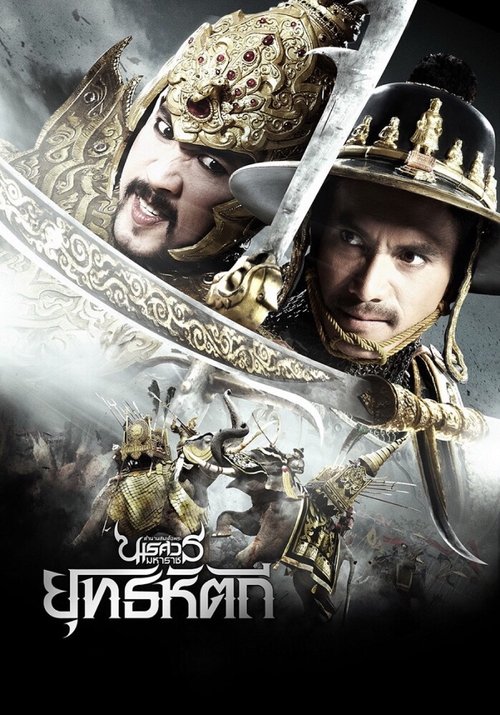
In the year 1586 the Department of the Red God was incensed to the crushing defeat of King Naresuan. Both have to face the hosts and glory. So then wreak vengeance to the Lord Supangkanlaya.
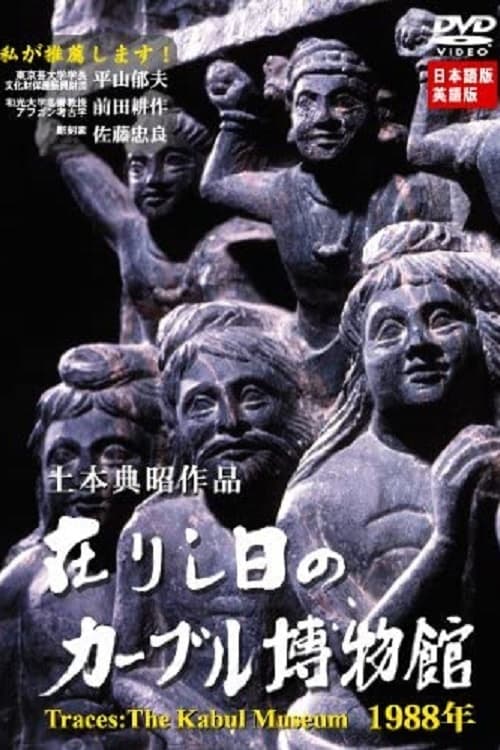
The Kabul National Museum, once known as the "face of Afghanistan," was destroyed in 1993. We filmed the most important cultural treasures of the still-intact museum in 1988: ancient Greco-Roman art and antiquitied of Hellenistic civilization, as well as Buddhist sculpture that was said to have mythology--the art of Gandhara, Bamiyan, and Shotorak among them. After the fall of the Democratic Republic of Afghanistan in 1992, some seventy percent of the contents of the museum was destroyed, stolen, or smuggled overseas to Japan and other countries. The movement to return these items is also touched upon. The footage in this video represents that only film documentation of the Kabul Museum ever made.
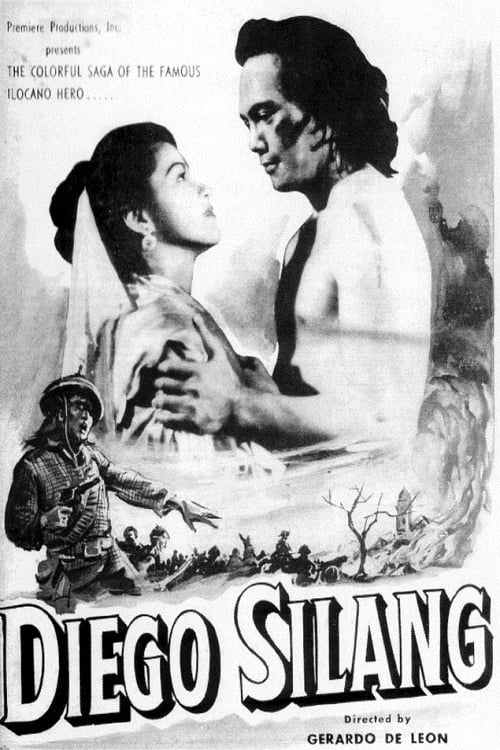
This movie captures the core and colorful saga of the famous Ilocano hero Diego Silang.
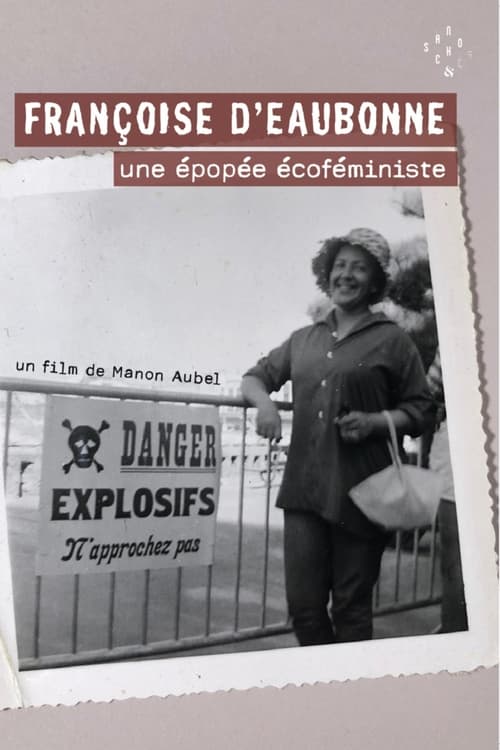
In the 1970s, Françoise d'Eaubonne stood out in the French intellectual landscape. At 50, she has already won several literary prizes and published around forty novels and essays, but is resuming her militant fight with renewed vigor. She is the first to define ecofeminism, denouncing the common oppression of women and the planet as a consequence of patriarchy. She participated in the actions of the MLF (Women's Liberation Movement), in the creation of the FHAR (Homosexual Revolutionary Action Front) and theorized counter-violence, going so far as to sabotage the construction site of the Fessenheim nuclear power plant. This film presents unpublished documents for the first time. Drawing freely from the manuscripts and photographic archives that she bequeathed to the Memory Institute for Contemporary Publishing, her relatives and researchers, historians and publishers comment on the resonance of her feminist and ecological heritage.

An account of the life and work of Luis 'Tip' Sánchez Polack (1926-1999) and José Luis Coll (1931-2007), a peculiar pair of comedians who, between 1967 and 1995, followed the twisted path of Spanish absurdist humor, of long tradition, later followed by many others.
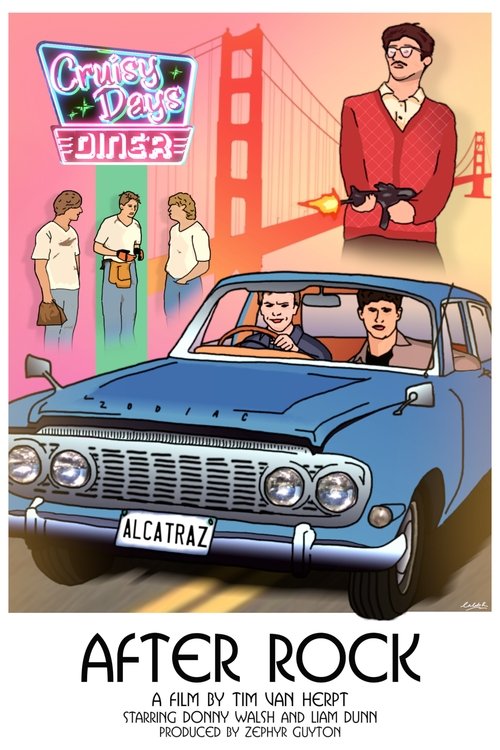
Frank Morris and John Anglin are two escaped Alcatraz convicts, lying low in small-town Orcutt, California, 1965. They plan to pull off a daring heist and live out the rest of their days in recluse. How will they make it out when troubled teenager Michael Andrew Clark goes on a killing spree?
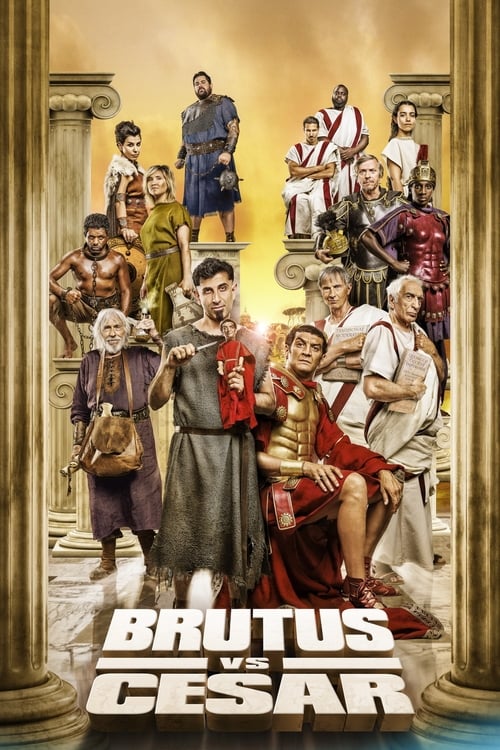
Faced with the tyranny of Caesar who acts as absolute master over Rome, Senators Rufus and Cassius form a plot to assassinate him.
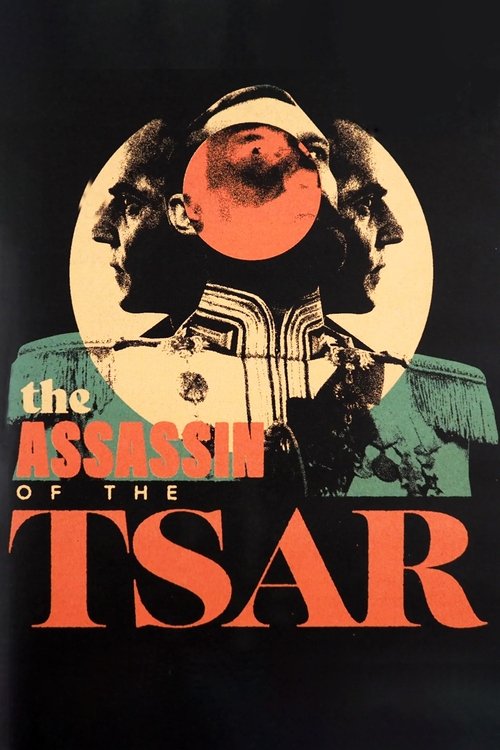
A new doctor from Moscow arrives at a provincial mental institution. His interest is the peculiarities of the psyche of a patient who believes that he is Yakov Yurovsky, the man who assassinated the last Russian tsar. In the course of their conversations it transpires that the patient is a kind of philosopher, not without a gift for suggestion. In a while the doctor himself falls under his patient’s influence: he tends to relive that fatal night of June 16-17, 1918 when, without any investigation or trial, Tsar Nicholas II, who had recently abdicated, was murdered, together with his wife, daughters and incurably ill heir. Soon the doctor realizes that the tragedy of the last Russian tsar is in part his own tragedy, too...
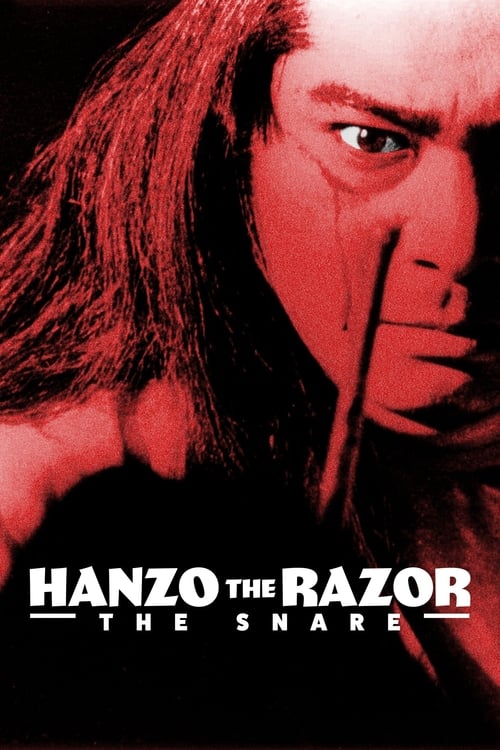
Against the backdrop of the Edo treasury devaluing currency and driving many into poverty, Hanzo Itami enforces the law without regard to status. He shows inadequate respect to the treasurer, who wants him dead.
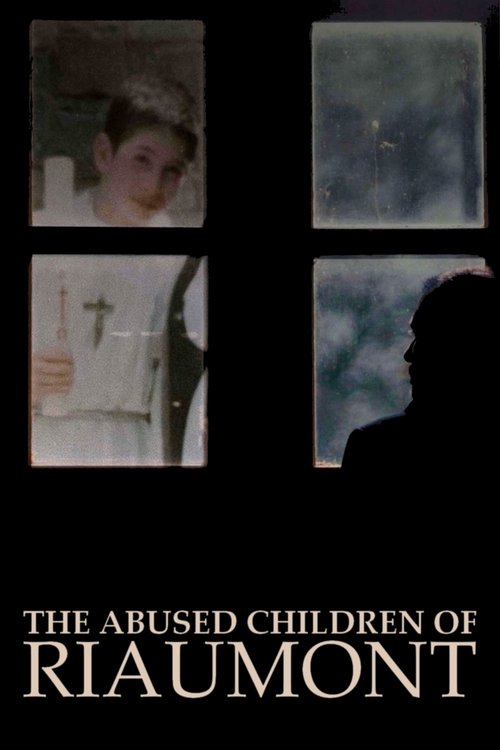
For decades, pupils at the children's village of Riaumont, in northern France, run by Catholic monks and priests, were abused: until 2019, thousands of children suffered beatings, forced labor and sexual violence.
