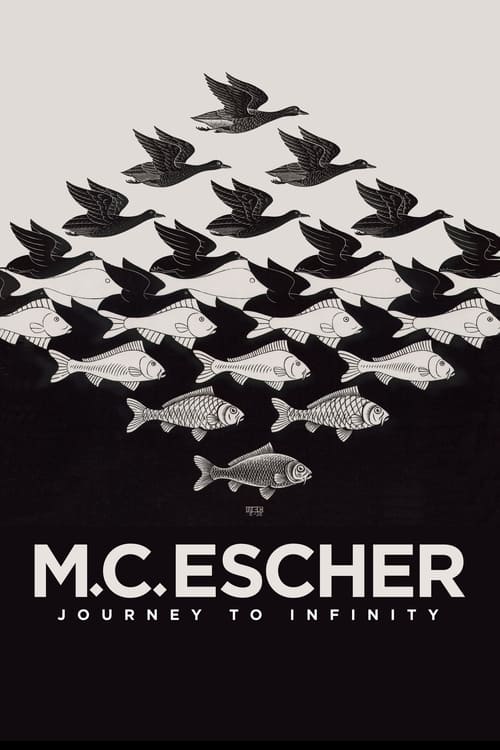
M. C. Escher: Journey to Infinity
2018
A portrait of the visionary Dutch artist M. C. Escher (1898-1972), according to his own words, taken from his diary, his correspondence and the texts of his lectures.
Browse popular History movies
A portrait of the visionary Dutch artist M. C. Escher (1898-1972), according to his own words, taken from his diary, his correspondence and the texts of his lectures.
A folk performance in two acts with pantomime, buffoonery, and shooting, performed by the troupe of the Drama and Comedy Theater on Taganka.

Year 1939. In the La Plata river, off the coasts of Uruguay and Argentina, the first naval battle of World War II is being fought. Surrounded by British enemy ships, the captain of the German battleship Graf Spee must make a dramatic decision.
Naples, 1959. Pure Mathematics professor Renato Caccioppoli, Bakunin's grandson, is a tortured soul. Recently discharged from the psychiatric hospital, left by his wife, and increasingly disillusioned with academia and the Communist Party, he lives his last days with painful detachment.

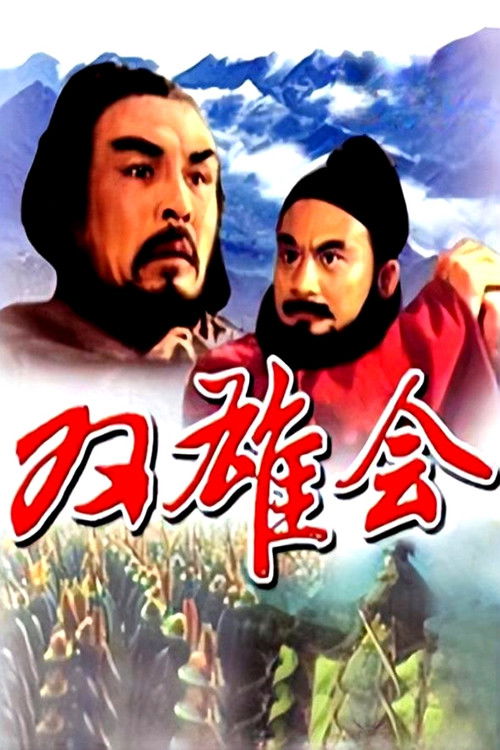

In 1931, Germany was awarded the Olympic Games in the hope this would draw them into the international community and world peace would be promoted through sport. For two weeks in August 1936 cameras captured the world’s greatest sporting spectacle, including the Gold Medal triumphs of record-breaking sprinter Jesse Owens. The Berlin Olympics were groundbreaking – many innovations introduced in 1936 such as television coverage and the torch relay became part of every subsequent Games. Hitler’s Games in Colour tells the story of the remarkable amateurs who excelled, but also how Hitler used the Games as propaganda for his brutal regime, to show the Nazis as benign and their military ambitions as modest. Using black and white archive, transformed by cutting-edge restoration and colourisation, this is the story of 16 days that fooled the world…

Spain, early 20th century. As a child, Leocadia Cantalapiedra was dazzled by a new art: cinema; but she lives in a society where directing films is something only men can do.
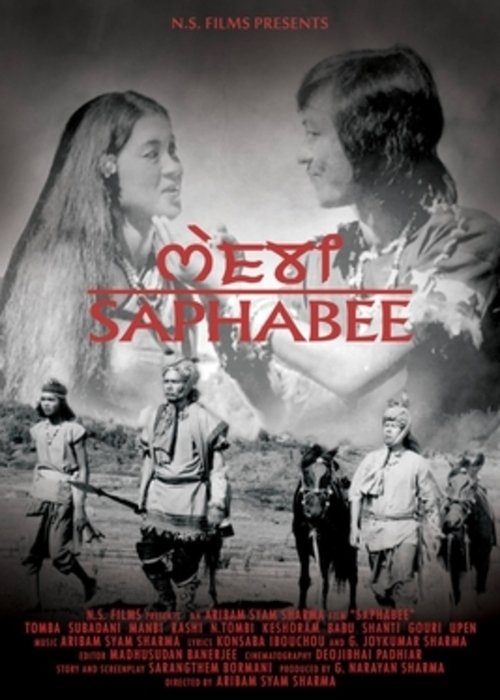
Saaphabee is a 1976 Manipuri film written by Sarangthem Bormani, produced by G. Narayan Sharma and directed by Aribam Syam Sharma. The film features Kangabam Tomba and Subadani in the lead roles. It was released at Usha Cinema, Paona Bazar on 13 July 1976. The movie won the National Film Award for Best Feature Film in Manipuri at the 24th National Film Awards. It is based on the famous Manipuri folk play Haorang Leishang Saaphabee. It is the first Manipuri folk film.
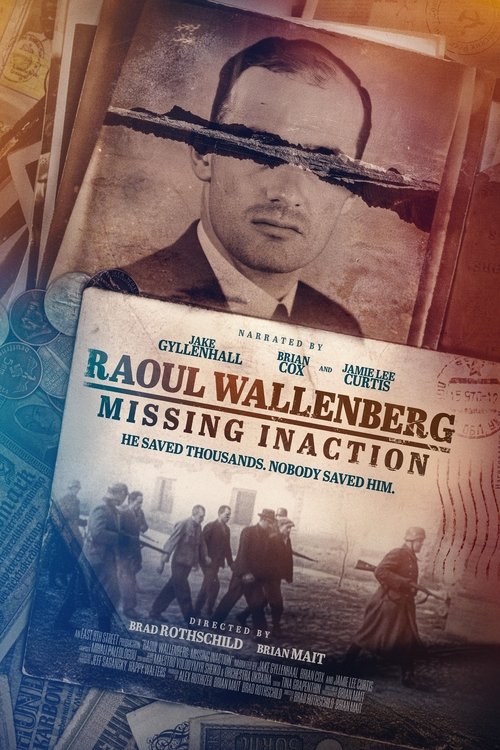
Raoul Wallenberg was the scion of Sweden's wealthiest dynasty, a diplomat and hero who saved more than 100,000 Jews from the Holocaust in an undercover American-financed mission within Nazi occupied Budapest. But in the final hours of WWII, Raoul was arrested by the "liberating" Soviet Red Army, sent to Moscow and vanished into Russian KGB prison system, never to be seen again. The question still haunts the world: what happened to Raoul Wallenberg?
Based on the plot of L. Mey's play "The Pskovite Woman". A poetic legend about the arrival of Tsar Ivan the Terrible and his oprichniki in Pskov. Having destroyed Novgorod, the tsar moved to free Pskov, the city was waiting for the same fate. But the city was not ruined - the Terrible met in Pskov his illegitimate daughter Olga, whose existence he did not even suspect.

Berlin, 1943, during World War II. Martha Liebermann, an elderly upper-class Jewish woman, faces the decision of her life: should the widow of the world-famous and revered painter Max Liebermann continue to try to obtain an exit permit from the Nazis or, with the help of a resistance group, should she flee to Switzerland?


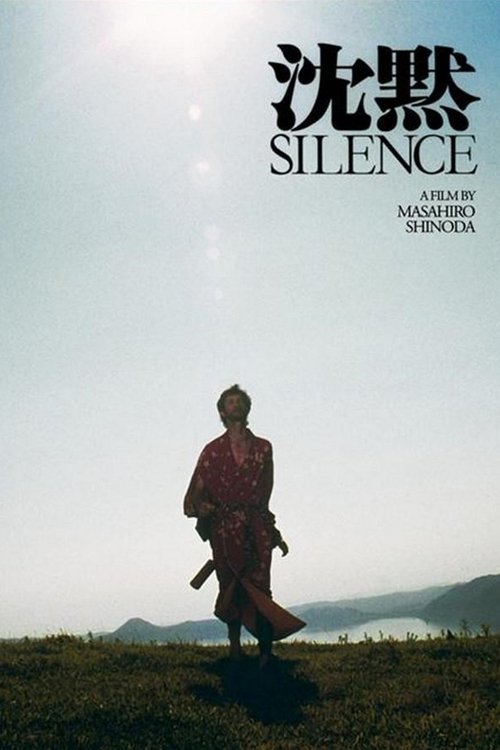
In 17th-century Japan, two Portuguese Jesuit priests seek their mentor, who is rumoured to have committed apostasy, and to propagate Catholicism.
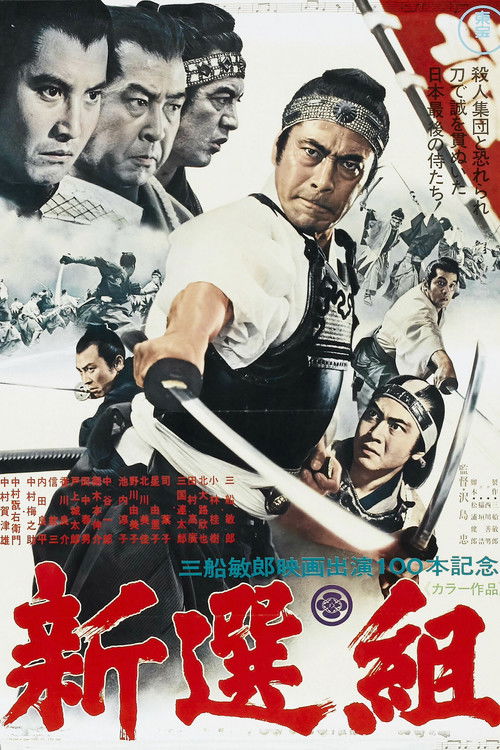
Near the end of the nineteenth century, as the balance of power shifts from Shogunate towards the Emperor, Japan restlessly awaits the dawning of a new age. But not all are content...The Shinsengumi, a small army of samurai, farmers and peasants, band together to do battle against the tide of history. Their leader, Isami Kondo is a man who rises from farmer to fighter to head the fierce Shinsengumi brigade. Using a stern hand and a heart of gold, he rallies his men in defense of the tottering Shogunate. But bloodshed and treachery lurk around every corner.
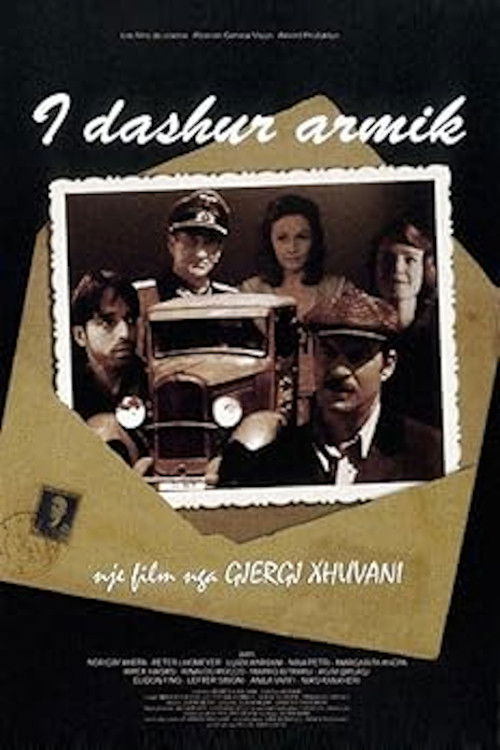
Dear Enemy tells the true story of the director’s grandfather who became friends with a German officer during the WWII German occupation of Albania while hiding a partisan, an Italian soldier and a Jewish watchmaker in his cellar.

The story of the American Founding, the greatest political achievement in history. The American colonists had developed a unique way of life as they practiced self-government for 150 years. In the struggles between the colonies and the mother country that followed the French and Indian War, Britain declared that Americans had no right to rule themselves. This went against everything the Americans knew. In response, our ancestors risked their “lives, fortunes, and sacred honor” to fight the War for Independence. Against all odds, they won, and in victory formed a stable, lasting republic.
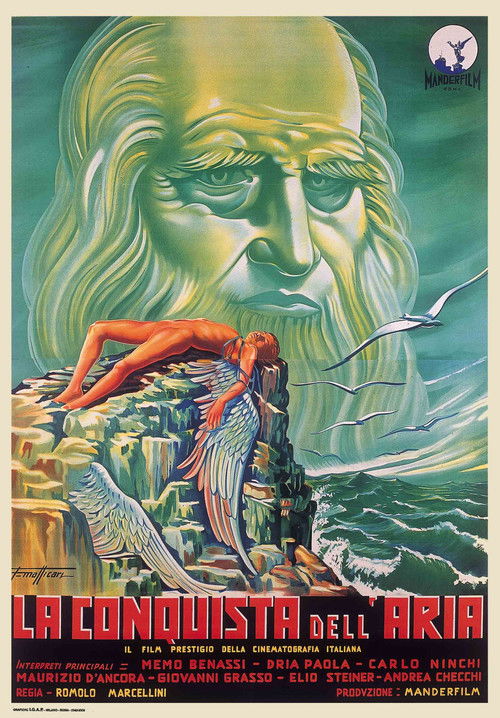
A sweeping, cinematic pseudo-documentary history of human flight, starting with the failed attempt of Icarus, and ending with the aviation triumphs of the fascist regime.
