The Words That Built America
In recognition of the 4th of July, several celebrities and politicians of differing ideologies join to read the historic documents which laid the foundation for the United States of America.
Browse popular Documentary movies
In recognition of the 4th of July, several celebrities and politicians of differing ideologies join to read the historic documents which laid the foundation for the United States of America.
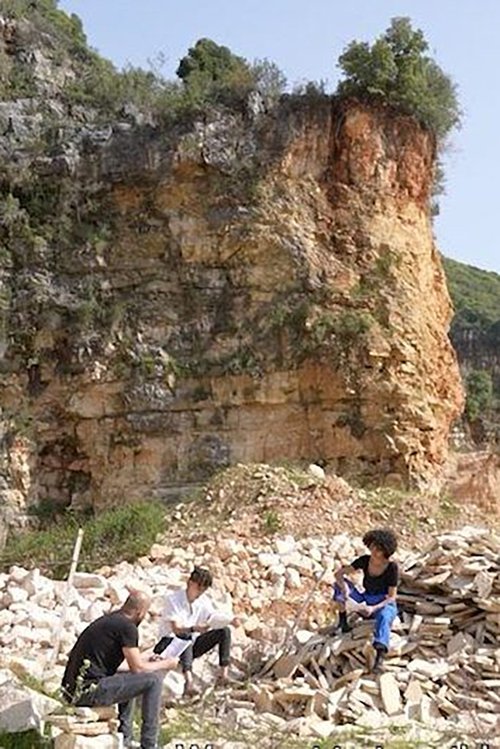
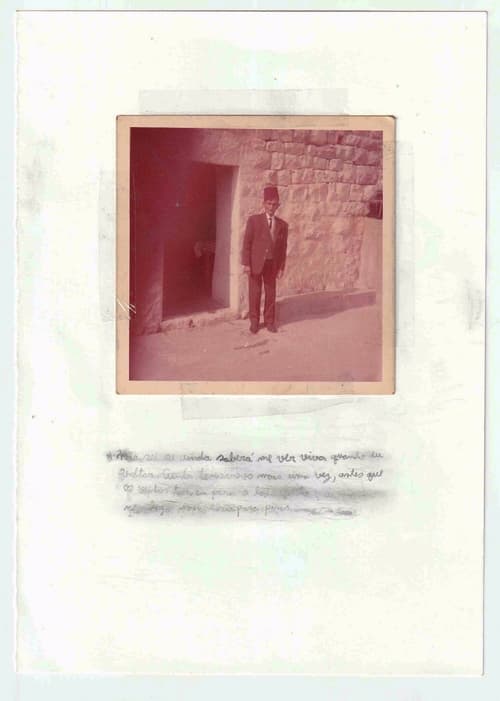
A prospective wish is announced at the very beginning: "Imagine a land without ownership". Ownership? Since when? How? Where? With which implications? This is what Marwa Arsanios endeavours to discover in the fourth part of her meticulous ongoing project whose generic title is Who Is Afraid of Ideology? After documenting feminist experiments of community autonomy in Lebanon, Kurdistan and Syria (Who Is Afraid of Ideology? I&II, FID 2019), Marwa Arsanios ventures a hypothesis in the form of speculative fiction, from a remote piece of land in Lebanon, a cut in a stone quarry. In this small piece of land, a few sidekicks make that postulate, and slowly share stories of domination and exploitation. This land has a complicated administrative, legal, geological and biological history. (Nicolas Feodoroff - FIDMarseille)
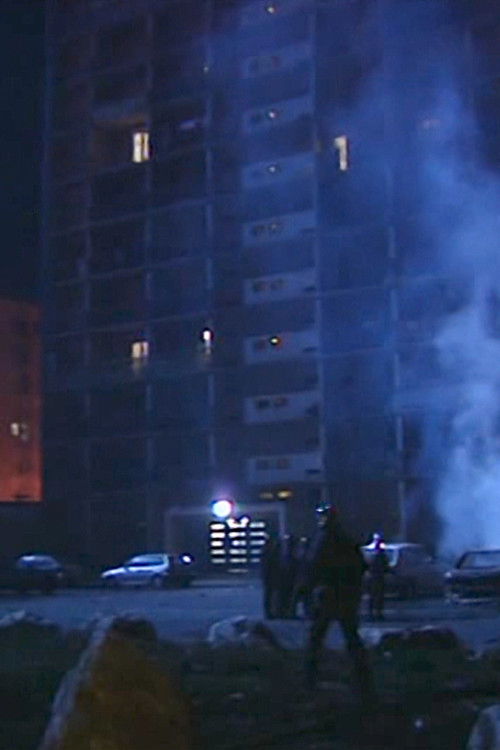
Based on television news footage, a look-back at the 2005 riots in France, which erupted following the death of two teenagers being chased by the police.
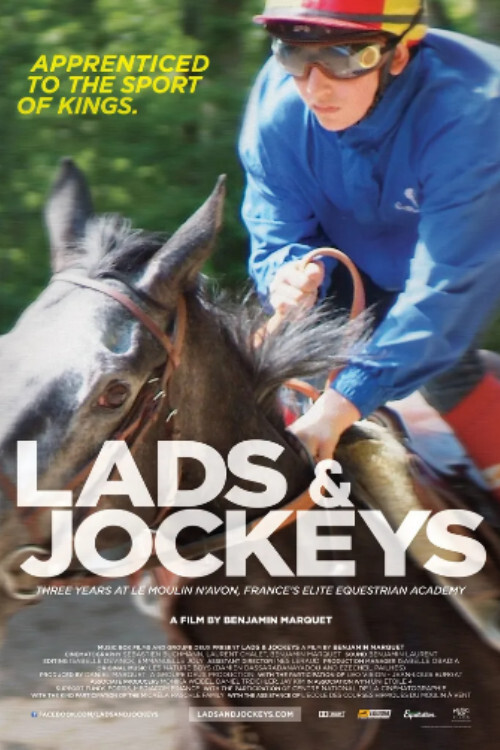
In a small village near Paris, 14-year-old boys and girls enter the training center for future lads and jockeys. For these young pupils, the transition between the family environment and this new world is brutal. Though sharing the world of teenagers -- flirting, cell phones and PlayStation -- they enter a world where the comfort of the horses comes before that of the human.
An exemplary reconstruction of a historical turning point. Time and again, the images and the remembered stories.
The Documentary record the life of a panda, Ying, and his Trainer, Bai, in their small residential room inside China Wuhan Acrobatic Troupe. They both share a life behind bars where the outside world is out of reach and only accessible through a television.
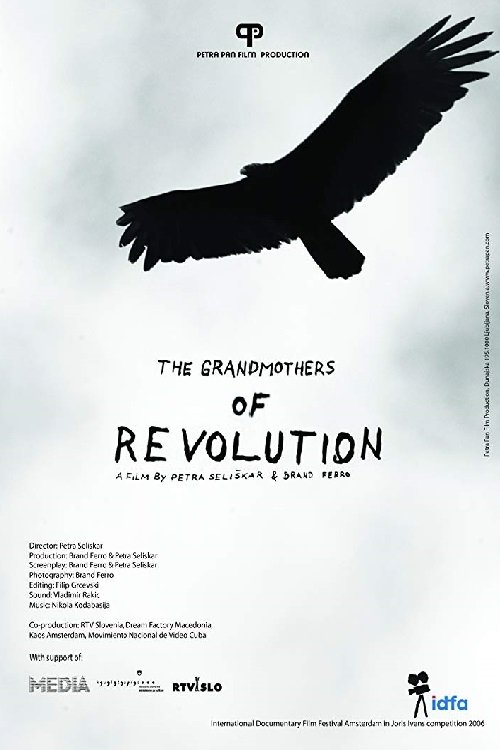
Slovenian director Petra Seliskar investigates the role of ideology in her personal family history by means of interviews with her paternal grandfather, her Macedonian boyfriend Brand's maternal grandmother and his Cuban grandmother on his father's side. Illustrated by archive footage and home movies, her voice-over describes her family's personal story, Yugoslavia under Tito, and the recent war, accompanied by some particularly shocking footage. The nature shots and the alternation of classical, popular and revolutionary music occasionally lend the stories a light-hearted tone.
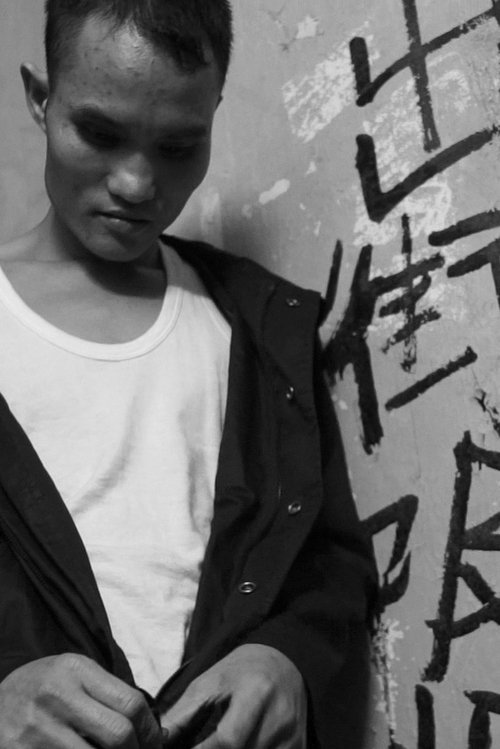
310 Tung Chau Street is a tenement building in Sham Shui Po. Three Vietnamese from the same province share a subdivided flat. Unemployment, drug addiction, and arguments brew and breed incessantly in this heated environment. During filming, the two young directors were encumbered by a series of obstacles, which turned the process into a chance to reflect on documentary truth.
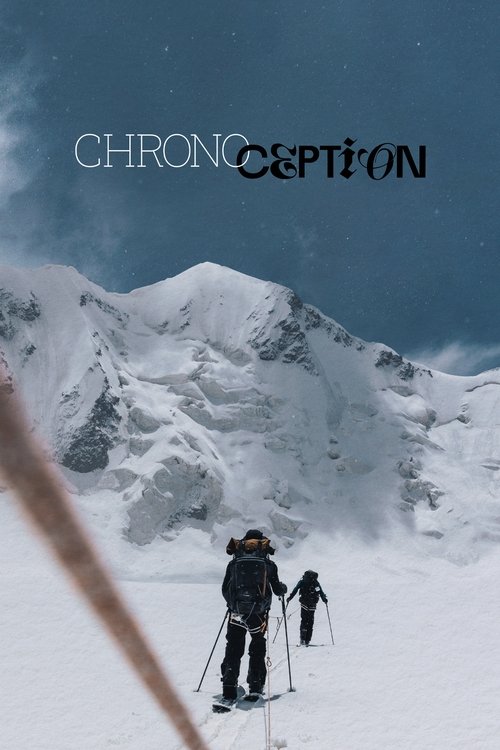
On the trail of nomadic peoples and the ancient Silk Roads, Thomas Delfino, accompanied by Léa Klaue and Aurélien Lardy, embark on an expedition to reach one of the most remote places on the continent. The Kokshaal-Too range is located in the Tian Shan mountain range, on the border of Kyrgyzstan and China, and harbors unexplored mountains and faces. This skilled team, accompanied by renowned guides Hélias Millerioux and Jean-Yves Fredriksen, finds themselves propelled into a space where time seems to have suddenly come to a halt.
Gabriel Bañuls embarks on his ultimate quest to witness his favorite team reclaim the Libertadores title.
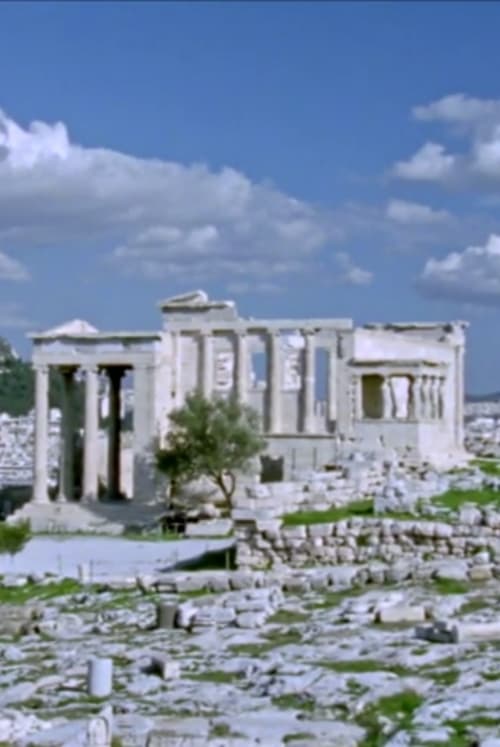
Erechtheion and Time directed by A. Drakopoulou. Produced by Acropolis Restoration Service in 2001.
Follows the dancers during their arrival at the Opéra Garnier, the shows and the backstage life. The film includes extracts form four of Béjart's choreographies on contemporary music (Boulez, Bartók and Webern): Le Marteau sans maître, Dialogue de l'ombre double, Webern Opus V, and Sonate à trois.
Gösta Vilhelmsson is almost 80 years old, but he refuses to hand over the responsibility for his crisis-hit general store in Torna Hällestad, Skåne, to his son Magnus, 50.
A short, impressionistic documentary about the extremely precise process behind the creation of an autoclave (a reaction container) for a nuclear power plant. Otherworldly electroacoustic soundtrack by Oskar Sala.
A journey into the life of Elling Kvamme. He was arrested and send to KZ Buchenwald, 22 years old. What did he experience there, as a young "Aryan" medicine-student? And why was it so important to put away what role the doctors had in the development of the Nazism and the idea of removing "useless" lives?