
Stonewall Outloud
2019
Contemporary voices in the LGBTQ community discuss "Remembering Stonewall," the first documentary to chronicle the historic 1969 event that sparked the gay liberation movement.
Browse popular Documentary movies
Contemporary voices in the LGBTQ community discuss "Remembering Stonewall," the first documentary to chronicle the historic 1969 event that sparked the gay liberation movement.
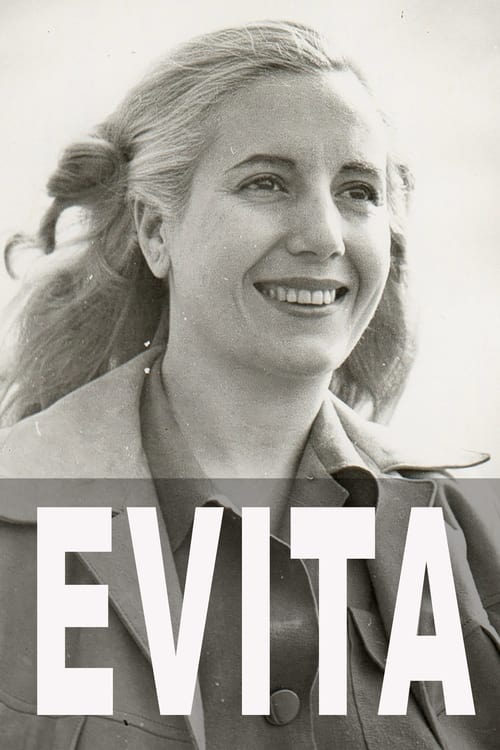
A few have tried to play the role in the theater and in the movies, but only one has succeeded thus far. Her name was Eva Duarte de Peron and the world would come to know her as Evita.
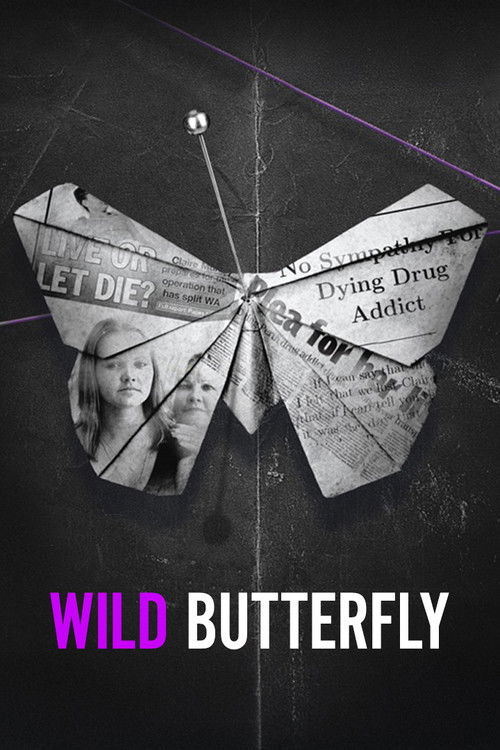
Wild Butterfly is true crime documentary that follows the tragic story of 24 year-old Claire Murray and her desperate search for a life- saving liver transplant that became a trial by national media. Depicted as an ungrateful junkie who recklessly destroyed her first transplant, Wild Butterfly investigates the true story behind the events that lead to Claire's death in 2010 including new criminal evidence. Catholic institutional cover-up, medical negligence, missing police records, and trial by mainstream and social media, are all at play in this heartbreaking and gripping documentary. This is not just the tragic story of one young woman and her family - this story opens our eyes to the impacts of universal social injustices and prejudices, that could befall any family and anybody's daughter.

Bleak shots of Russian clinics set the tone. Then the telephone rings. On the other end of the line, Masha Osipova’s parents are asked to explain why they sent her to children’s sanatoria in her childhood. In these clinical government institutions, children were lodged free of charge in the Soviet era. Back then it was a privilege, but the deep impressions (drastic procedures, far from home) they left on Masha have had a negative impact on her life today.

An impossible love story between the narrator from Paris and a young woman – Ekaterina Tretyakova, descendant of the Romanov dynasty. It takes place behind the Ural mountains. Navigating between poetic illustrations of passion and schizophrenic wanderings in a hostile environment, the film draws an intimate and heart-breaking portrait of Russia.

A documentary about a political troupe headed by actors Jane Fonda and Donald Sutherland which traveled to towns near military bases in the US in the early 1970s. The group put on shows called "F.T.A.", which stood for "F**k the Army", and was aimed at convincing soldiers to voice their opposition to the Vietnam War, which was raging at the time. Various singers, actors and other entertainers performed antiwar songs and skits during the show.
Between 1931 to 2002, Switzerland issued some six million seasonal residence permits, known as "A" permits, to immigrant workers. This status carried drastic rules, such as a ban on family reunification and a stay in Switzerland limited to nine months a year. In open letters, former seasonal workers and their children recount the impact this system had on their lives.

The quixotic journey of Nam June Paik, one of the most famous Asian artists of the 20th century, who revolutionized the use of technology as an artistic canvas and prophesied both the fascist tendencies and intercultural understanding that would arise from the interconnected metaverse of today's world.
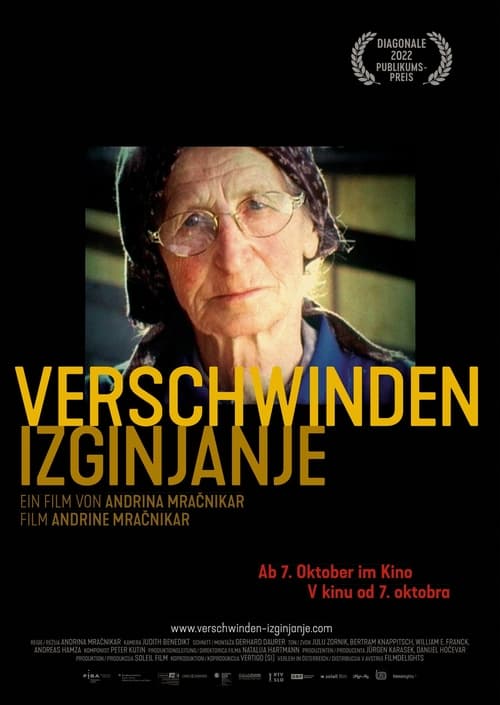
In southern Carinthia, about ninety percent of all inhabitants spoke Slovenian before 1910. Today it is on average a single digit percentage. In this very personal essay documentary, Andrina Mračnikar formulates a political urgency: What happens when one's mother tongue is taken away in everyday life. What must politicians do to counteract the disappearance of a language whose protection is enshrined in the Austrian constitution.

Is our life a story? And if so, can we re-write it? In Drama Girl, director Vincent Boy Kars gets a young woman to act out a number of key scenes from her recent past. Perhaps, Kars thinks, this could help her come to terms with certain events. In the meantime, he also gains something: a film that probes how fiction and documentary can learn from one another.
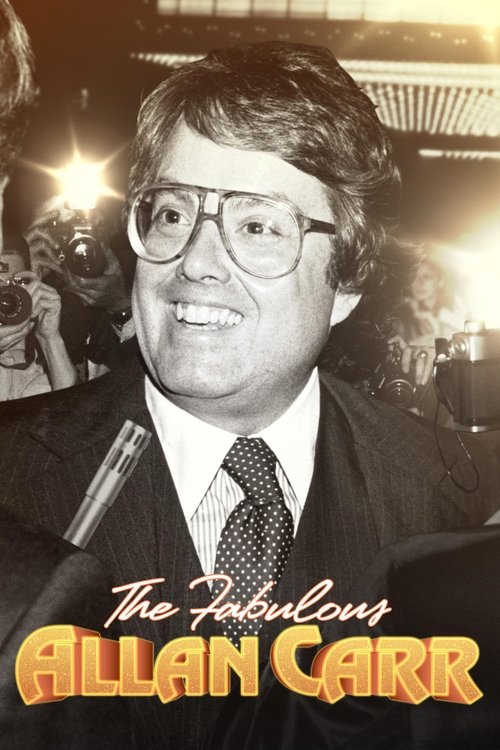
Armed with a limitless Rolodex and a Benedict Canyon enclave with its own disco, Allan Carr threw the Hollywood parties that defined the 1970s. A producer, manager, and marketing genius, Carr built his bombastic reputation amid a series of successes including the mega-hit musical film "Grease," until it all came crashing down after he produced the 1989 Academy Awards, a notorious debacle.
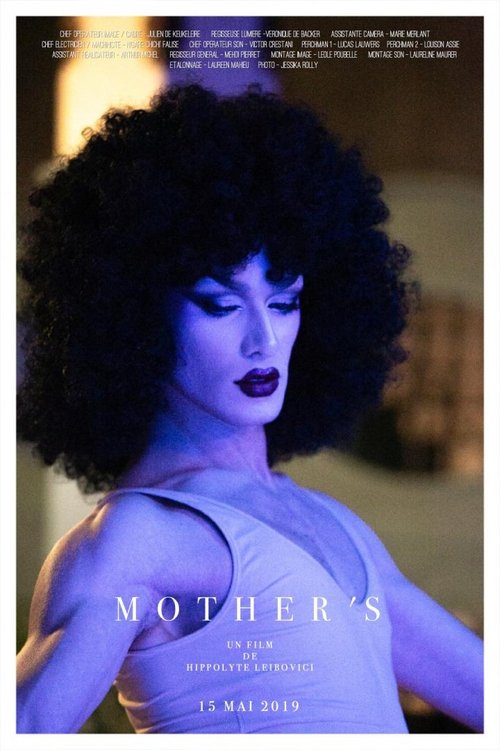
The portrait of the family of a Brussels drag queen composed of four generations in their dressing rooms during a show. As facial features ae covered by multiple layers of makeup and imbibed in alcohol, jokes are made and they open their hearts and tackle certain difficult questions.
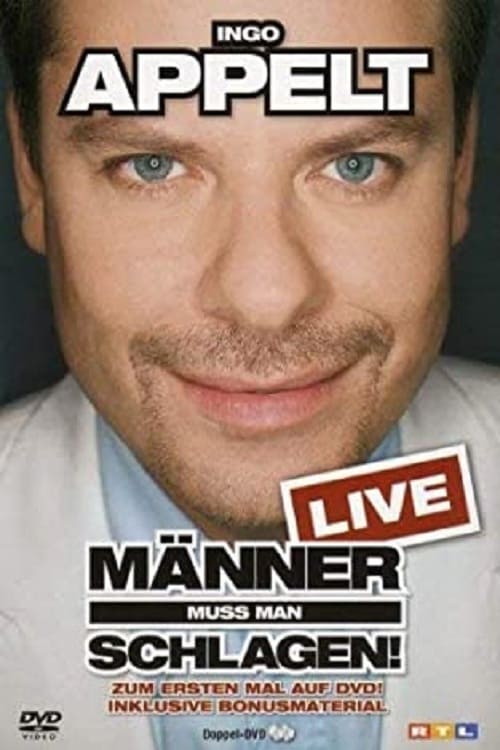
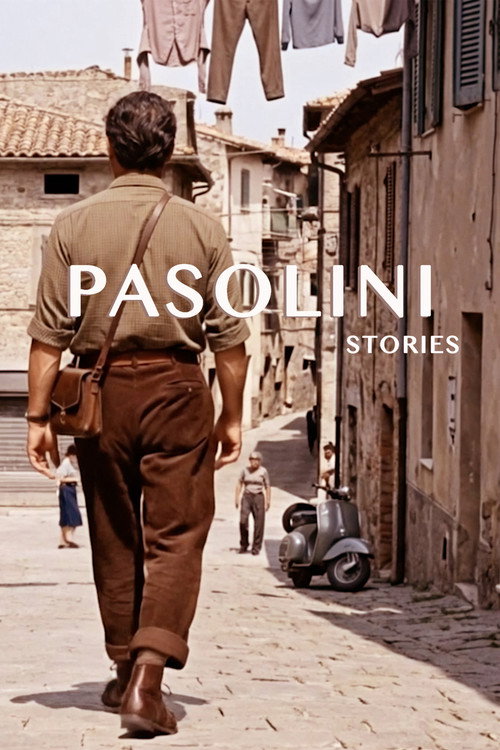
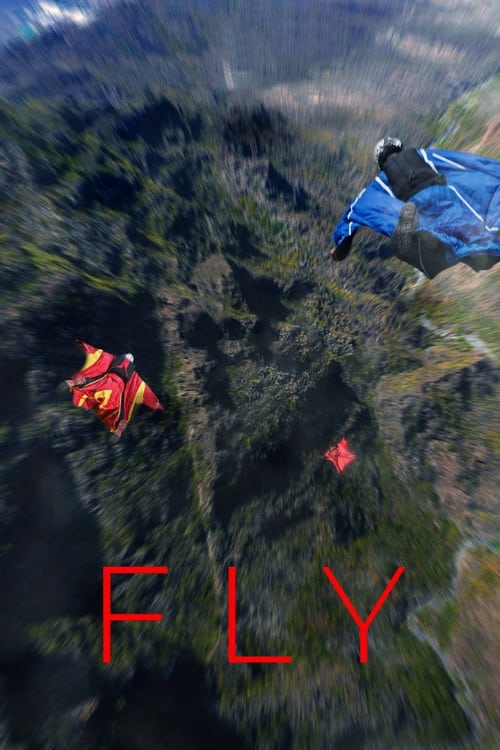
Over seven years, three couples involved in the extreme sport of BASE jumping test the limits of love and life itself. Risking everything for the thrill of the jump, their dedication is put to the ultimate test.
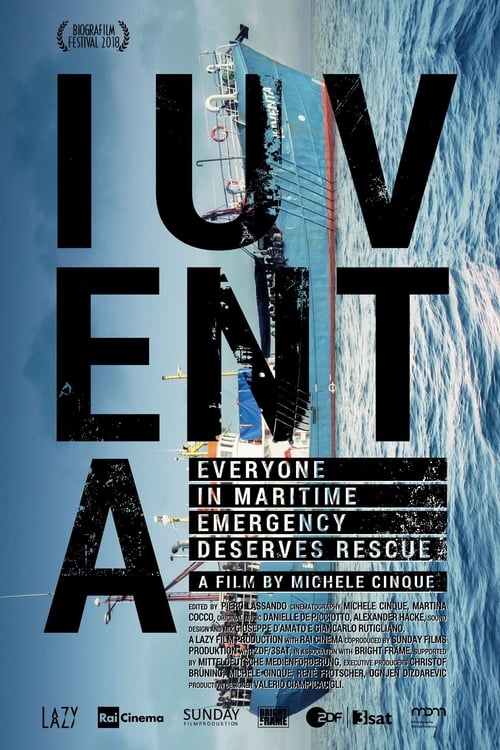
The documentary film "Ȋuventa" relates the events of a crucial year in the lives of a group of young Europeans all involved in different ways in the Jugend Rettet humanitarian project, starting from the first voyage of the "Ȋuventa" ship in the Mediterranean Sea to the heavy accusations that led to the seizure of the vessel more than a year later.

It's election time for the student body. Four groups of students, with differing opinions and views of the world, create proposals, debate campaign strategies, and strive for improvements in school.
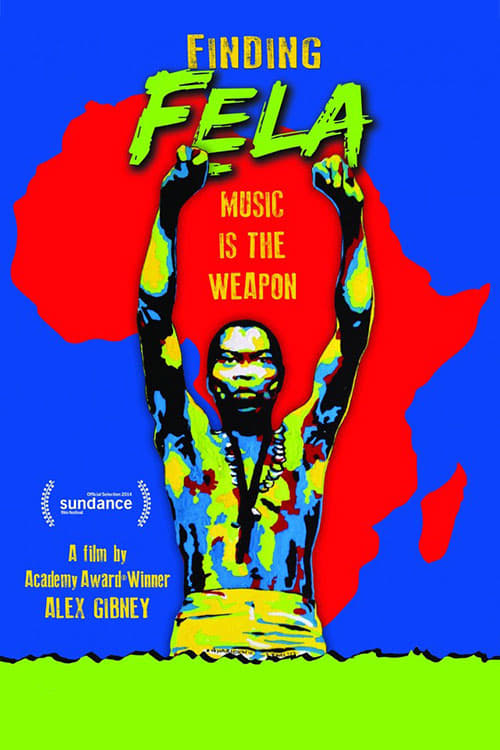
Fela Anikulapo Kuti created the musical movement Afrobeat and used it as a political forum to oppose the Nigerian dictatorship and advocate for the rights of oppressed people. This is the story of his life, music, and political importance.
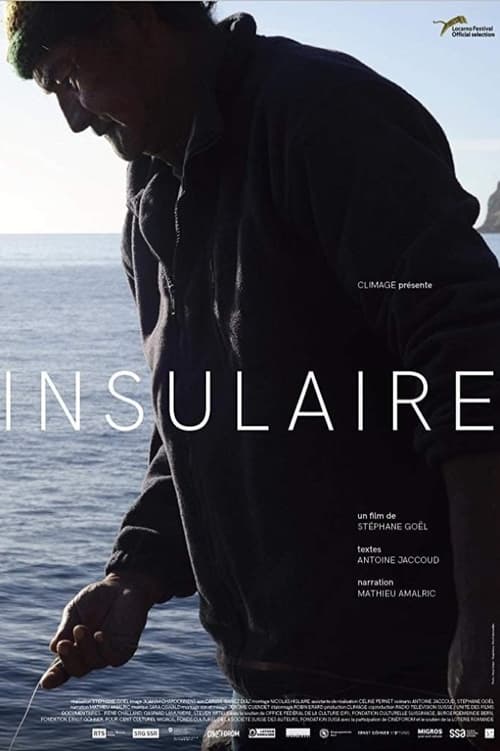
In 1877 a Swiss aristocrat, Alfred von Rodt, became the governor of the remote Chilean island that gave birth to the legend of Robinson Crusoe. Exiled from his country and family, Von Rodt strived to build a utopian “little kingdom” until his death, but failed and lost his entire fortune. The film tells the story of this outcast through the lives of his descendants, who today seek political autonomy and a preservation of their indigenous identity.
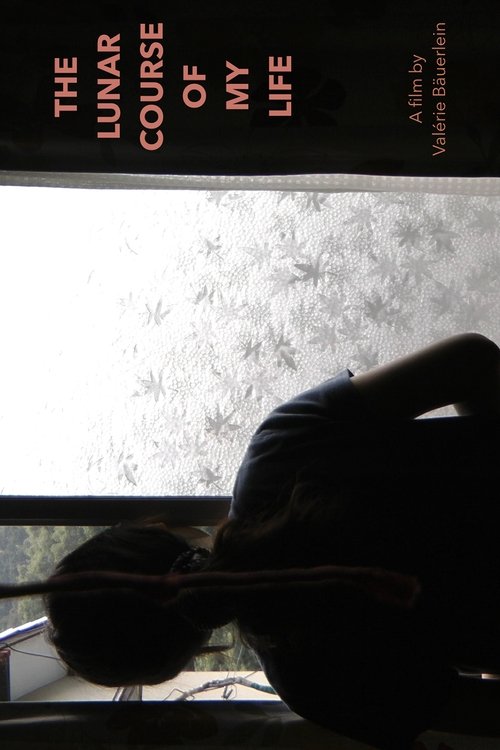
In Japan, the term 'hikikomori' designates people who isolate themselves from society. Nanako, aged 24, joins in the activities of an organisation that helps withdrawn young people to reintegrate. Valerie Bäuerlein follows the path of the young woman as she regains confidence in herself.
