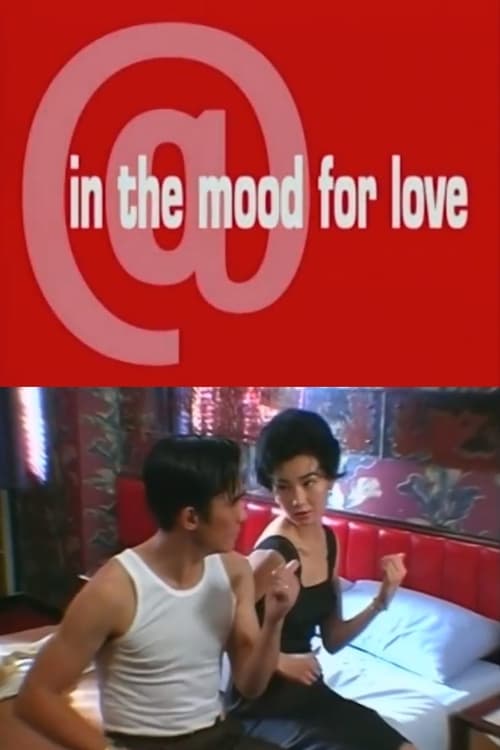
@ in the mood for love
2001
A documentary following Wong Kar-wai and his cast and crew through the production of his 2000 film In the Mood for Love.
Browse popular Documentary movies
A documentary following Wong Kar-wai and his cast and crew through the production of his 2000 film In the Mood for Love.
A 20-year-old woman begins to question the experiences of women in society; she meets researchers and people who work on the gender issue to better discuss and understand the struggles and differences that women face in their daily lives.
In 2011, Syria's Bashar al-Assad answered his nation's demands for freedom by launching a brutal war against his own people. While the U.S. drew red lines for intervention, Assad ramped up the attacks, starving and killing civilians and children, including the use of chemical weapons, leveling cities, targeting journalists and blocking humanitarian aid to millions of victims. Abandoned by the outside world, individual activists stepped in to fill the roles of banned journalists, international aid agencies and feckless foreign governments. Red Lines tells the story of two such activists, who despite overwhelming obstacles, attempt to establish democratic enclaves in their devastated homeland.
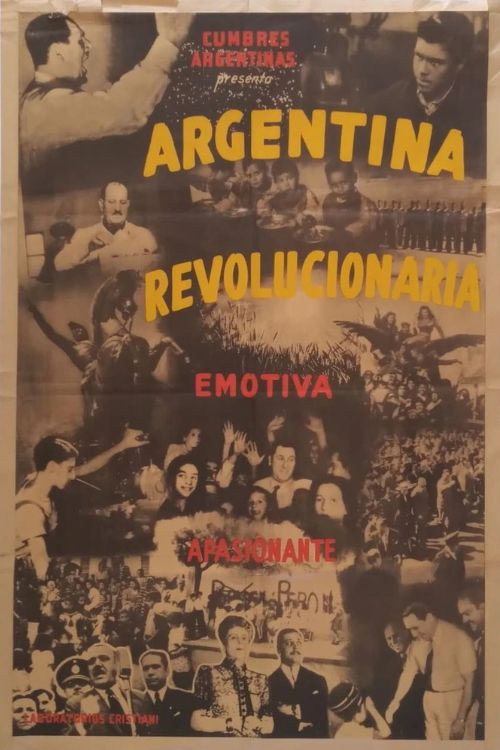
Documentary about the social and economic policy of the country in the first years of the Justicialista government. Considered a lost film.

After years of overproduction, the Reagan administration unloads over 500 million pounds of surplus cheese on the American public in the 1980s. The pungent dairy product comes to be known as 'Government Cheese.'
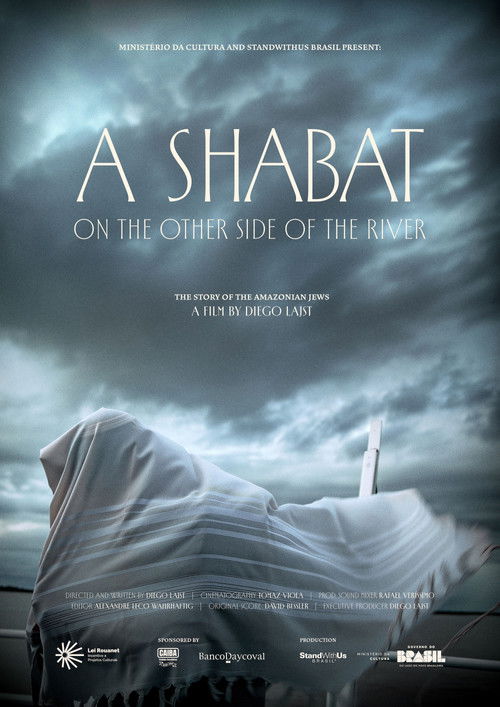
Amid the vast rivers of the Brazilian Amazon, small communities of Moroccan Jewish descendants preserve centuries-old traditions, tracing a story of faith, memory, and survival at the meeting point between the jungle and the diaspora.
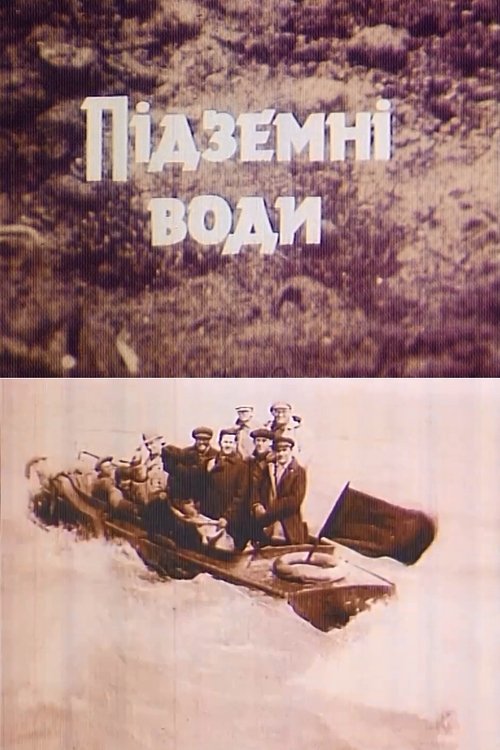
The film revealed the bitter truth about the Ukrainian nation, which in Soviet times was deprived of the right to live near the eternal river - Dnipro, forcibly resettled from native houses in order to flood them with artificial seas and canals. It was the first film before the collapse of the Soviet Union and Ukraine's independence that openly talked about the genocide of the Ukrainian people.

“I am not the remains. I exist.” Three Jordanian women barely survived the violence inflicted on them by men. Çelik films them from as up close as possible in their flats, which they barely leave, listening to them speak with the opaque logic of trauma.

Mercado portrays the daily routine of the workers at the Santa Fe Fruit and Vegetable Market, a twenty-two thousand square meter property with great employment impact in the area. A visual journey from hard work in the field to sale in the market.
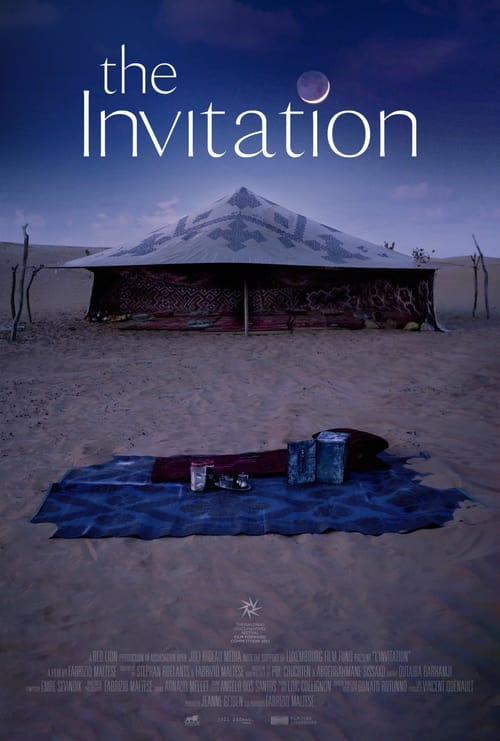
The desert is calling. Yet, it is with the ocean that Fabrizio Maltese’s journey begins. He has accepted Abderrahmane Sissako’s invitation to continue the film he and Pol Cruchten had initiated together. Pol has since passed away. The project he had been dreaming of has thus taken on a new, symbolic dimension. It must see the light of day. This is why Fabrizio has traveled on his own to meet with the Mauritanian director. But fate seems to have decided otherwise. From Saint Louis in Senegal to Nouakchott in Mauritania, from Mata Moulana to Chinguetti, Fabrizio allows himself to get lost alone in the desert, with nothing more than a few scribbled notes jotted down on the piece of paper that was given to him by the two filmmakers.
There are children. There are those who abuse them. And there are those who know, but never tell.
The image in these works is modified applying paint and vaseline on a filter that sits between the landscape and the target, so we got a subjectivation of the look and the effect of distortion of reality.


A documentary film about Swiss musician and singer/songwriter Stephan Eicher, his Yéniche roots and the history and persecution of the Yéniche people in Switzerland and their links to Swiss music.
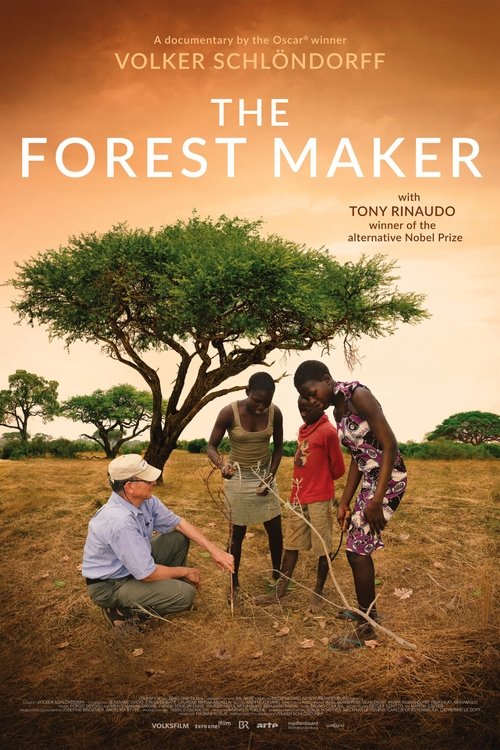
Together with African small farmholders Tony Rinaudo, an Australian agronomist, has been fighting against the spread of the desert for 30 years and challenges ideas of conventional reforestation with his simple yet effective method.
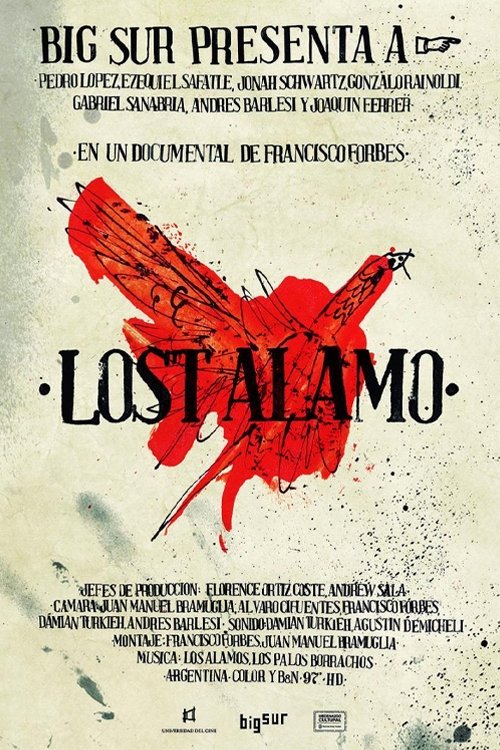
Lost Alamo portrays the future of the band during a period of uncertainty. After the departure of Peter (leader and singer) to Marseille, the group is inactive for a year. In August 2009, on the occasion of their return to the country, Los Alamos went on tour in Argentina and Chile, performing nine concerts in a month. After that tour, his future will remain uncertain.
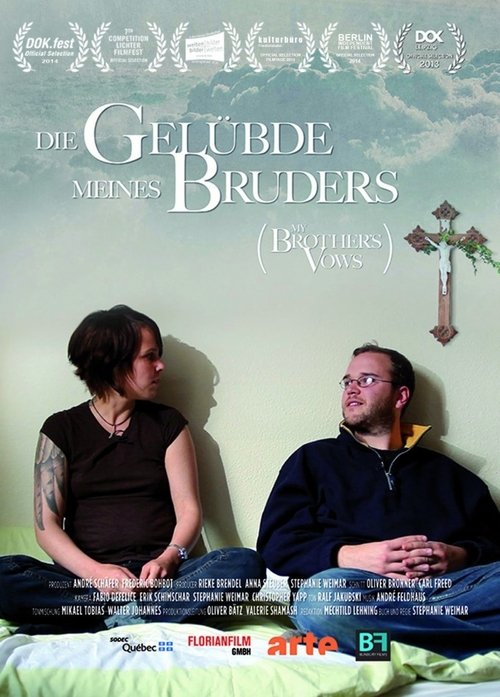
Stephanie’s brother Gregor is about to make the biggest decision of his life. He has joined the Catholic order of the Steyler Missionaries to become a monk. If he doesn’t have a change of heart, he will take his final vows in a year’s time and commit to a life of chastity, poverty, obedience and service to the Catholic Church. Stephanie is highly critical of his choice. They come from a Catholic background, but Stephanie had her own reasons to break with the family tradition. They haven’t spoken in ten years. This film is Stephanie’s quest to understand her brother’s extreme decision and explore his world that lies behind the thick monastery walls. What she discovers may prove to be far more than she bargained for.
